7 Tips for Choosing the Right Pyro Gasket

Selecting the right Pyro Gasket is a safety decision, not a simple purchasing task. The wrong material may harden, compress unevenly, or leak beside a hot flange. That failure can begin with a tiny scratch on the sealing face.

Fortune Business Insights valued the global gasket and seal market at approximately USD 12.7 billion in 2023. Its report expects continued growth through 2032, driven by energy, chemical, and industrial equipment demand. These figures show market scale, but they do not guarantee product suitability. Market estimates also vary between research firms. That deserves attention.

Robert M. Flitney, author of Seals and Sealing Handbook, emphasized a practical principle: “The gasket is only as good as its installation.” His observation fits Pyro Gasket selection closely. Temperature rating alone is not enough. Buyers must examine pressure, media compatibility, flange condition, bolt loading, compression behavior, and fire-test requirements. API 6FB and ISO 10497 may support fire-resistance evaluation, but certification must match the actual application.

A useful selection process starts with the operating details. Record the maximum temperature, pressure spikes, fluid composition, flange type, and maintenance conditions. Then compare graphite, mica, spiral-wound, and other constructions carefully. A gasket that performs well on a clean test flange may struggle on an uneven field connection.

The uncomfortable truth is simple: specifications are often incomplete. Installation quality is frequently underestimated. A safer choice combines verified data, experienced engineering judgment, and realistic site conditions. This guide presents seven practical tips for choosing a Pyro Gasket with fewer assumptions and fewer expensive surprises.
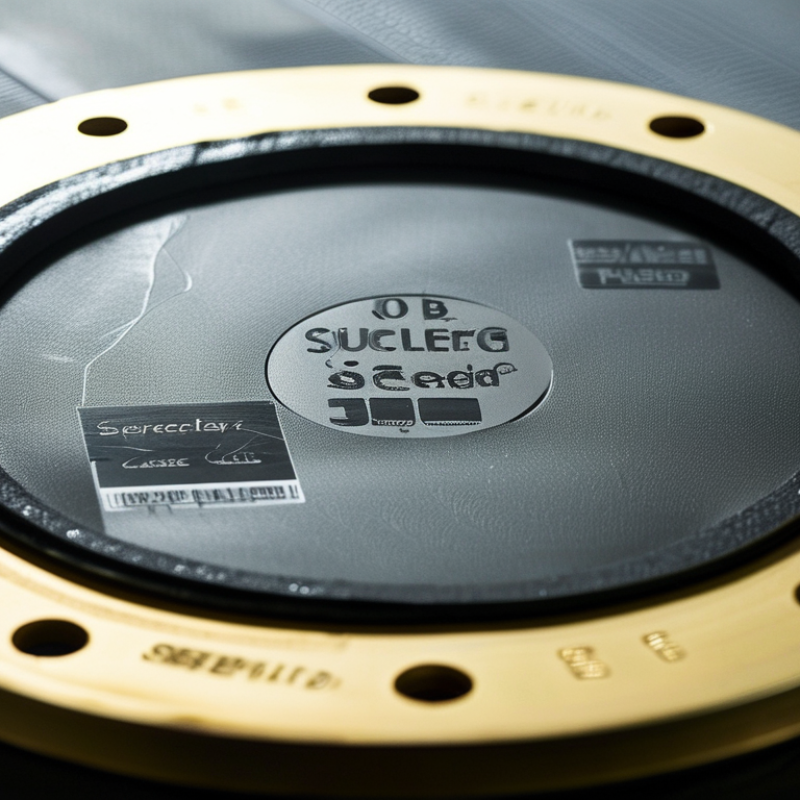
7 Tips for Choosing the Right Pyro Gasket

Understanding Pyro Gasket Materials and Performance Requirements

A pyro gasket is not simply a heatproof washer. It must seal gases, tolerate compression, and control heat transfer during a rapid thermal event. The term “pyro gasket” is application-based, so confirm the actual temperature, pressure, exposure time, and joint movement before choosing materials.

Mica, ceramic fiber, graphite, and high-temperature elastomers behave differently under these conditions. Mica handles intense heat well, while graphite usually provides better conformability. Neither choice is automatically correct.

Tip 1:

Match the material to the failure mode. ISO 834-1 fire testing reaches about 843°C after 30 minutes. That figure shows why short-duration temperature ratings can mislead. Ask for compression-set, leakage, and thermal-cycling results, not only a peak-temperature number. ASTM E119 also demonstrates how quickly fire exposure rises, reaching approximately 538°C within ten minutes. Real joints may see uneven heating, vibration, and imperfect flange alignment.

Tip 2:

Inspect the installation, not only the datasheet. A gasket crushed beyond its design range may lose recovery. A small gap still matters.

Tip 3:

Require test evidence from the complete assembly. UL 94 ratings describe polymer flammability, but they do not prove sealing performance in a heated metal joint.

I have seen material selection fail because the gasket looked suitable in a laboratory sample, yet relaxed after repeated heat cycles. That result deserves honest review.

Ask for traceable test methods, specimen thickness, surface finish, bolt load, and post-test leakage measurements before approving the design.

Defining the Correct Size, Shape, and Pressure Rating

Choosing the right pyro gasket starts with accurate measurements, not assumptions. Measure the flange face, inner diameter, outer diameter, and available thickness. Measure twice. A gasket that extends into the flow path can restrict movement or wear quickly. One that sits outside the sealing face may fail under compression.

Match the gasket shape to the joint. Circular, oval, rectangular, and custom profiles each distribute pressure differently. Check bolt-hole positions, corners, openings, and alignment marks. Shape matters. In field inspections, uneven compression often comes from a slightly distorted flange, not the gasket itself. Check surface flatness and account for thermal expansion. A rigid fit may look precise but perform poorly after heating.

Pressure rating requires more than reading one number. Confirm the expected operating pressure, temperature range, pressure spikes, and process medium. Pressure can surge. Select a rating supported by test data, with an appropriate safety margin for the application. Also verify the gasket’s thickness, material compatibility, and recommended compression load. Installation details matter: clean both faces, center the gasket, and tighten bolts evenly in stages. I have seen careful selections fail after uneven tightening. Recheck the specification, especially when conditions vary between startup and normal operation.

Matching Temperature Resistance to Your Application

A pyro gasket must match the real temperature profile, not just the maximum number on a datasheet. Measure continuous heat, start-up peaks, shutdown cooling, and nearby radiant heat. A gasket facing 500°C for ten minutes may behave differently from one exposed to 500°C for eight hours. Temperature cycling matters too. Repeated expansion can loosen joints or damage the sealing surface.

Check seven practical points before choosing: maximum temperature, continuous temperature, thermal cycling, pressure, media compatibility, flange movement, and installation clearance. In field inspections, I have found that heat rarely reaches a gasket evenly. One edge may discolor first because of a burner, hot gas stream, or poor insulation. That small detail matters. Do not rely on air temperature alone. Measure the metal around the joint when possible.

Select a material with a safety margin, but avoid treating that margin as permission to exceed operating limits. Review compression requirements and confirm that the flange can supply stable contact pressure after heating. A gasket that seals cold may leak when the joint expands. Check bolt loading, surface condition, and the specified tightening method. Use temperature-resistant accessories when needed, because the gasket is not the only weak point. I have also seen incorrect thickness create more trouble than high heat. It is easy to blame the material first. A controlled trial under actual cycle conditions can reveal weaknesses before full installation. Record the readings, inspect the joint afterward, and question any result that looks unusually perfect.

Checking Compatibility with Chemicals, Fuels, and Surrounding Materials

7 Tips for Choosing the Right Pyro Gasket

Checking Compatibility with Chemicals, Fuels, and Surrounding Materials

Tip 1: Identify every fluid touching the gasket. Do not check only the main chemical. Cleaning agents, water, additives, and vapors may also affect the seal.

Tip 2: Review the fluid’s safety data and the gasket supplier’s compatibility information. Temperature changes can alter chemical resistance.

Tip 3: Consider fuel exposure carefully. Some fuels cause swelling, softening, or gradual loss of compression. A gasket that looks stable after one hour may fail after several weeks.

Tip 4: Check surrounding materials, including pipe coatings, metal surfaces, insulation, and thread sealants. Chemical migration can occur between nearby materials.

Tip 5: Compare operating temperature, pressure, and exposure time with the gasket’s tested limits. Short-term resistance is not proof of long-term performance.

Tip 6: Test the actual chemical mixture when possible. Compatibility charts are useful, but they cannot represent every concentration, impurity, or operating cycle. A chart can look reassuring.

Tip 7: Inspect the gasket after a trial run. Look for swelling, cracks, brittleness, discoloration, or flattening. Record the fluid, temperature, pressure, and inspection time. That record supports a more reliable engineering decision.

The uncomfortable lesson is that material selection is sometimes based on incomplete information. A cautious review may reveal missing data, especially when chemicals change during heating. When uncertainty remains, involve a qualified materials engineer and request documented test evidence before installation.

Evaluating Quality, Certification, Installation, and Long-Term Value

A pyro gasket should be selected for the actual temperature, pressure, fluid, and exposure time. I check the material traceability, batch number, thickness, and compression range before installation. A polished surface can still hide poor filler distribution. That happened to me once.

Quality starts with documented testing. Ask for test reports covering fire resistance, leakage, compression recovery, and chemical compatibility. API 6FA and API 607 are useful references for fire-tested valve assemblies, but they do not automatically certify every gasket. ISO 23936 may also matter when sealing equipment handles hydrocarbons. Check the certificate’s exact size, construction, and test conditions. NFPA’s Fire Loss in the United States report recorded about 1.39 million fires in 2023, showing why passive fire protection deserves careful verification. The number is broad, but the risk is not theoretical.

Installation often decides long-term value. Clean both flange faces, inspect for scratches, and use a calibrated torque wrench. Follow the supplier’s tightening sequence and never reuse a compressed gasket without approval. Misalignment is expensive. During commissioning, record torque, leakage checks, temperature, and flange movement. For lifecycle planning, compare replacement labor, inspection access, downtime, and disposal requirements—not only the purchase price. A 2023 report from the U.S. Chemical Safety Board repeatedly linked major process incidents with weak safeguards and poor maintenance practices. That should encourage a second review of “acceptable” assumptions.

7 Tips for Choosing the Right Pyro Gasket: Evaluation Priorities

This 100-point procurement scorecard emphasizes material quality and certification while also accounting for installation requirements and long-term value. Quality covers material traceability, dimensional consistency, and resistance to the intended service conditions. Certification confirms that documented testing matches the application. Installation considers fit, surface preparation, and torque control, while long-term value includes service life, maintenance needs, and total cost of ownership.

Article Source: