Best Power Transformer Buying Guide for Global Suppliers?
When it comes to choosing a Power Transformer, understanding the intricacies is crucial. Power transformers are key components in electrical systems. They ensure safe and efficient energy distribution. Global suppliers face challenges in selecting the right transformer. With varying requirements and standards, it’s important to make informed decisions.
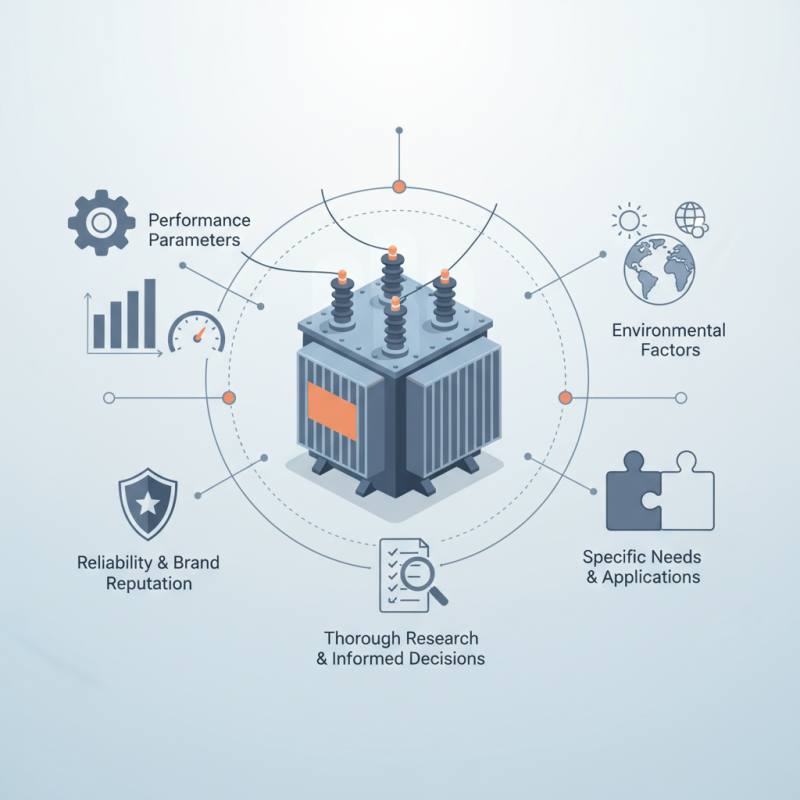
Many factors influence the buying process. Specifications, performance parameters, and brand reputation play significant roles. Different environments may require unique transformers. The complexity can be overwhelming, leading to potential mistakes. Suppliers must refine their criteria based on specific needs.
Consider the importance of reliability. A quality power transformer sets the foundation for operational success. Investing in reputable brands often pays off. However, not all well-known brands are suitable for every application. Conducting thorough research is essential. Each supplier's situation is unique, and one size does not fit all. This guide aims to shed light on the essential elements involved in the selection process.
Key Characteristics to Consider When Buying Power Transformers
When selecting a power transformer, several key characteristics deserve attention. Efficiency is crucial. A transformer should minimize energy losses during operation. Look for units with high efficiency ratings. This ensures lower operational costs and a reduced carbon footprint.
Quality is another vital aspect. The materials used in construction can significantly affect durability and performance. Ensure that the core is made of high-grade silicon steel. Also, examine the winding materials. Copper is typically more reliable than aluminum. Durability translates into less frequent replacements and maintenance.
Voltage ratings must align with your specific requirements. Pay attention to both primary and secondary ratings. It is essential to match these specifications to avoid potential issues. Specifications should be verified through reliable sources. There can be discrepancies in reported ratings. Lastly, also consider service and support from suppliers. Good customer service can make a difference in long-term reliability. A trusted supplier offers peace of mind in your investment.
Types of Power Transformers and Their Applications in Various Industries
Power transformers play a crucial role in various industries. They ensure the effective transmission of electrical energy, making them indispensable in power distribution systems. There are several types of power transformers, each designed for specific applications. For instance, auto transformers are often used in traction systems due to their efficiency. In contrast, distribution transformers are essential for reducing high voltage levels in residential areas.
In the oil and gas industry, power transformers are vital for maintaining power supply to remote sites. They support operations and enhance safety by ensuring a stable energy source. Utility companies also rely on high-voltage transformers for stable energy distribution. Such transformers improve the reliability of electrical grids, especially during peak demand periods.
Tips for selecting the right power transformer include understanding load requirements. Assessing the site's power needs can prevent over-sizing or under-sizing issues. Also, consider the environment where the transformer will be installed. Harsh conditions may require specialized designs. Regular maintenance is essential to ensure operational efficiency, which can mitigate unexpected failures. Remember, choosing quality over cost may provide long-term savings and reliability in performance.
Best Power Transformer Buying Guide for Global Suppliers
| Transformer Type | Voltage Range (kV) | Application | Industry | Efficiency (%) |
| Step-up Transformer | 1 - 500 kV | Power Generation | Energy | 98.5 |
| Step-down Transformer | 1 - 400 kV | Voltage Regulation | Construction | 98.8 |
| Isolation Transformer | 0.5 - 35 kV | Electrical Isolation | Healthcare | 97.5 |
| Auto Transformer | 0.5 - 230 kV | Voltage Adjustment | Railway | 99.0 |
| Three-Phase Transformer | 5 - 1000 kV | Power Distribution | Industrial | 98.2 |
Guidelines for Evaluating the Reputation of Global Suppliers
When evaluating the reputation of global suppliers for power transformers, consider various factors. A supplier's experience and industry tenure are crucial. According to the International Energy Agency, companies with over ten years of experience often demonstrate better reliability and product quality.
Look for certifications and standards. A supplier without ISO 9001 or similar qualifications might lack credibility. Verify their production processes and quality control measures. It's essential to assess their track record in supplying to reputable clients in the energy sector.
Tips: Check online reviews and ratings on professional platforms. Engaging in forums can reveal valuable insights from other users. Don't overlook smaller suppliers; they may offer innovative solutions and personalized service.
Analyze their responsiveness and customer service. A supplier that fails to communicate effectively could be problematic in future dealings. Always request detailed documentation, including performance data and warranty terms. Assess their adaptability to market changes as well. The best suppliers are those that evolve with industry demands, demonstrating reliability and innovation.
Factors Affecting the Cost of Power Transformers and Budgeting Tips
When considering power transformers, understanding the factors that influence their cost is crucial. According to the International Energy Agency (IEA), the price of transformers can vary significantly, ranging from $10,000 to over $1 million, depending on specifications. This variability often stems from capacity, voltage rating, and design features. For instance, a three-phase transformer will typically be more expensive than a single-phase transformer due to its complexity and output capabilities.
Budgeting for a power transformer requires careful evaluation. An industry report from the Transformer Engineering Association highlights the importance of lifecycle costs. Installation and maintenance practices can add up. Initial purchase costs often represent just a fraction of total expenses. Experts recommend allocating at least 15% of the purchase price for installation, along with ongoing maintenance budgets. Additionally, sourcing quality materials can affect durability and efficiency, impacting operational costs down the line.
Transparency in pricing is essential. Some suppliers may offer lower initial costs but compromise on quality and support. Seeking out reliable data and engaging with experienced professionals in the field can provide insights. Investing time in research helps avoid pitfalls associated with choosing low-cost options that lack reliability or performance in critical applications. Balancing upfront costs with long-term value is essential in successful budgeting.
Maintenance and Support Services: What to Look for from Suppliers
When selecting a power transformer supplier, maintenance and support services are crucial. Look for providers who offer extensive technical support. This includes quick response times and knowledgeable staff. Efficient communication can greatly reduce downtime. Ensure they have a dedicated team focusing on maintenance services. Ongoing support is essential to maximize transformer longevity.
Consider the quality of their maintenance programs. Reliable suppliers will offer regular inspection and testing. These services should proactively identify issues before they escalate. Ask about their training programs for technicians. Well-trained personnel can handle unexpected problems more effectively. Additionally, some suppliers provide remote monitoring services. This technology allows for real-time diagnostics, enhancing reliability.
Reflect on Customer Reviews. Feedback from other companies can provide insights into a supplier’s support quality. If numerous clients cite slow response times or ineffective maintenance, these are red flags. Find suppliers that prioritize customer satisfaction. It's not just about selling a transformer but ensuring it operates efficiently throughout its lifespan.
 English
  Česká republika
 Deutsch
 Dutch
Dutch Polska

