Why Choose Belt Conveyor for Your Material Handling Needs?
In today's fast-paced industrial environment, optimizing material handling is crucial. One prominent solution is the Belt Conveyor. This equipment is widely utilized for its efficiency in transporting materials across various distances. Industries ranging from manufacturing to warehousing rely on it for seamless operations.
The design of Belt Conveyors is versatile, accommodating different materials and layouts. This flexibility makes them ideal for many businesses. However, it’s essential to consider the specific needs of your operation when choosing a Conveyor System. Cost, space, and material type play significant roles in the decision-making process. While Belt Conveyors are generally reliable, they require regular maintenance to prevent downtime.
Additionally, while they provide numerous advantages, challenges exist. For instance, if not properly maintained, tracking issues can arise. Understanding these potential setbacks is vital. Consulting with experts in the field can help ensure that your Belt Conveyor meets your unique material handling needs effectively. Choosing the right equipment is not only about functionality but also about enhancing overall operational productivity.
Benefits of Belt Conveyors in Material Handling Systems
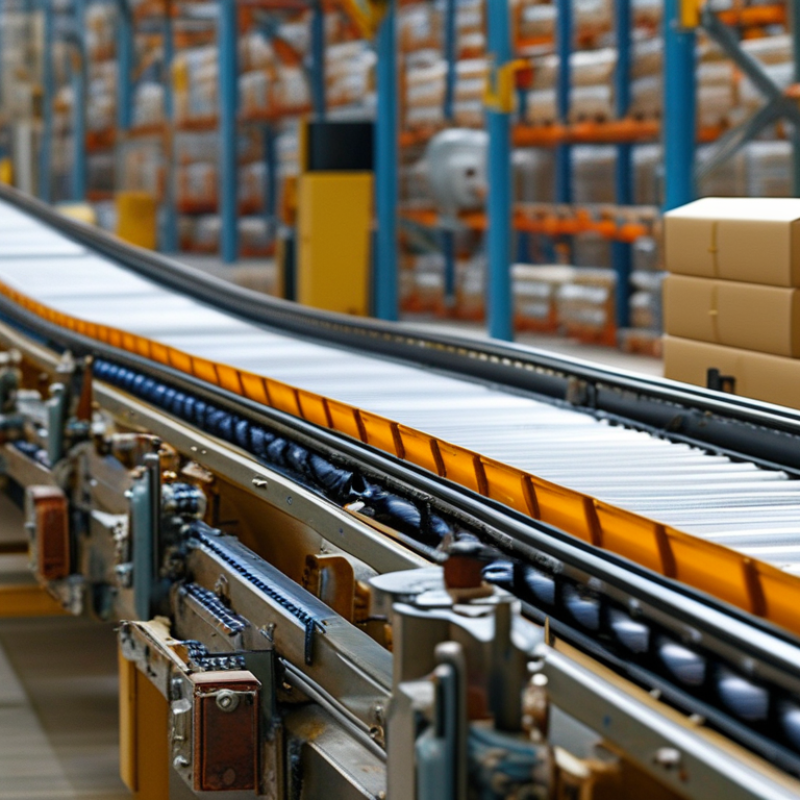
Belt conveyors have become essential in modern material handling systems. They provide numerous benefits that improve efficiency and productivity. One major advantage is their ability to transport large volumes of materials over long distances. This capability minimizes manual labor and reduces the risk of injuries. Moreover, belt conveyors can operate in various environments, from factories to warehouses.
When implementing a belt conveyor system, consider the materials you will be handling. Different materials may require different belt types for optimal performance. Ensuring the right fit can enhance efficiency and prevent breakdowns. Regular maintenance is also crucial. Neglecting this aspect can lead to unforeseen downtimes.
Effective belt conveyor systems can reduce waste and save costs. They allow for easy integration with other equipment. However, not all setups will be ideal. Assessing your layout, flow, and product types is necessary. A poorly designed system can hinder operations and lead to frustrations. Always be open to reevaluating your approach for better outcomes.
Types of Belt Conveyors and Their Applications
Belt conveyors are versatile tools used in various industries to handle materials efficiently. There are many types of belt conveyors, each designed for specific applications. For instance, the flat belt conveyor is ideal for transporting light to medium loads across short distances. It helps keep items stable during movement. These conveyors are common in warehouses and Assembly Lines.
Another type is the modular belt conveyor. It consists of interlocking segments, making it easy to customize for particular tasks. This flexibility appeals to manufacturers who need to adapt their processes frequently. An example would be in the food industry, where hygienic designs prevent contamination. However, such customization can introduce complexity, requiring careful planning.
Inclined belt conveyors are designed to transport materials vertically. They are essential in applications where space is limited. These conveyors can be tricky to maintain due to the angle, which affects load stability. Users should monitor performance closely to avoid issues. Each type of belt conveyor serves a purpose, but assessing their limitations is crucial before making a decision.
Factors to Consider When Selecting a Belt Conveyor
When selecting a belt conveyor for material handling, several key factors should be considered. The conveyor's size and capability play crucial roles. For instance, according to a report by the Material Handling Industry of America, belt conveyors can transport loads from a few pounds to several tons. This range means that matching the conveyor's specifications to your material's weight is essential.
Another important factor is the belt material itself. Depending on the material type, different belts may be more suitable. For example, a report from the International Journal of Engineering Research and Applications suggests that rubber belts are ideal for heavy loads, while PVC belts are better for lighter materials. The versatility of belts allows for customization based on specific needs.
Lastly, maintenance and operational costs are significant. While initial costs may be lower for some belt types, associated maintenance may increase the total expenditure. A study from Deloitte indicates that organizations can save up to 25% on operational costs with optimal conveyor selection. The balance between upfront investments and long-term usability should guide your decision-making.
Benefits of Choosing Belt Conveyors for Material Handling
Maintenance and Safety Practices for Belt Conveyors
Belt conveyors are essential for efficient material handling. However, maintenance and safety are crucial to ensure their effectiveness. Regular inspections help identify wear and tear. Make sure to check belts for any fraying or damage. This simple practice can prevent costly downtime.
Tip: Schedule weekly inspections for optimal performance.
Proper lubrication of moving parts is vital. It reduces friction and prolongs conveyor life. Use the recommended lubricants and avoid over-lubricating. Too much can attract dust and debris. This can hamper functionality and pose safety risks.
Tip: Keep a lubrication log to track maintenance tasks.
Safety practices are equally important. Implement safety barriers and clear signage around conveyor areas. Employees should be trained on potential hazards. Ensure that emergency stops are accessible and functional. Regular safety drills can prepare the team for any unforeseen events.
Tip: Review safety protocols quarterly to ensure compliance.
Cost-Effectiveness of Belt Conveyors in Material Transportation
Belt conveyors are gaining popularity in material handling due to their cost-effectiveness. They provide a continuous flow of materials, which increases efficiency. This means lower labor costs and less time spent transporting goods.
Using a belt conveyor can significantly reduce operational expenses. Unlike other systems, belt conveyors require minimal maintenance, which saves money in the long run. The initial investment can seem high, but the long-term savings often justify it. Remote monitoring technology can also streamline maintenance, further minimizing interruptions.
However, not all applications suit belt conveyors perfectly. In some cases, they may not be adaptable to sudden changes in production needs. It’s essential to understand the specific requirements of your facility. Regular evaluations can help identify any shortcomings in the system. Balancing costs with efficiency is key. Keep in mind that while selection is critical, ongoing assessment ensures optimized performance.
Why Choose Belt Conveyor for Your Material Handling Needs? - Cost-Effectiveness of Belt Conveyors in Material Transportation
| Aspect | Details | Cost Effectiveness |
| Operating Costs | Lower energy consumption compared to other systems | Reduces overall operational costs over time |
| Maintenance | Requires less frequent maintenance | Saves on upkeep expenses |
| Installation Flexibility | Can be installed in various layouts | Adaptable to company needs, minimizing disruptions |
| Efficiency | High throughput and continuous operation | Increases productivity, reducing labor costs |
| Material Compatibility | Suitable for a wide range of materials | Versatile use enhances return on investment |
 English
  Česká republika
 Deutsch
 Dutch
Dutch Polska

