How to Choose the Best Toxic Gas Detector for Your Needs?
Choosing the right Toxic Gas Detector is crucial for safety in various industries. According to the National Institute for Occupational Safety and Health (NIOSH), thousands of workers are exposed to toxic gases every year, leading to serious health issues. Inadequate detection can result in hazardous environments, risking lives and operational efficiency.
Effective detection technology has evolved significantly. The market is flooded with options, from portable detectors to fixed installations. Each type serves different requirements. An outdated or inadequate detector might fail to identify threats timely, increasing the danger level in workplaces. Industry reports suggest over 50% of facilities lack proper monitoring systems, a critical oversight.
When selecting a Toxic Gas Detector, consider specifications such as sensitivity, response time, and calibration needs. Mismatched choices could lead to false alarms or, worse, undetected threats. A comprehensive understanding of your specific environment will enhance safety and regulatory compliance. Always prioritize reliable solutions.
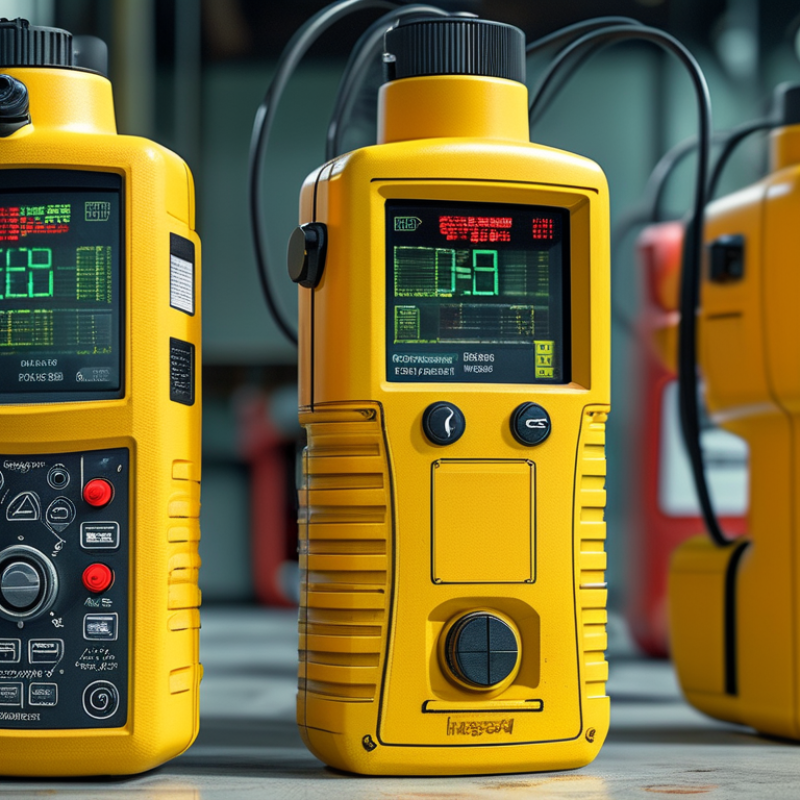
Understanding the Different Types of Toxic Gas Detectors Available
When selecting a toxic gas detector, it’s crucial to understand the various types available. Most detectors fall into categories based on gas detection technology, including electrochemical sensors, infrared sensors, and metal-oxide semiconductors. Each type has specific advantages and limitations.
Electrochemical sensors are known for their accuracy with specific gases. They are often compact and ideal for personal safety. However, they may require frequent calibration. Infrared sensors detect gases through light absorption. They are durable and suitable for harsh environments. Despite their robustness, they can be expensive and might not detect all gases reliably.
Metal-oxide semiconductor detectors are affordable and versatile. They can detect a wide range of toxic gases. Yet, their sensitivity may lead to more false alarms. Choosing the right type depends on your specific needs, gas types, and environments. Balancing cost and performance is essential. You might often find an ideal model that's slightly beyond your budget. Reflecting on these factors ensures a better decision.
Toxic Gas Detector Types Comparison
This chart illustrates the different types of toxic gas detectors based on their sensitivity levels and typical usage scenarios. The detectors compared include Electrochemical, Metal Oxide Semiconductor, and Photoionization Detectors.
Key Features to Consider When Selecting a Toxic Gas Detector
Choosing the right toxic gas detector is crucial for safety. Various features play a significant role in making this decision. Battery life is one of them. A shorter battery life can lead to unexpected risks. Look for devices that offer a longer operational time.
Sensitivity is another vital feature. A detector must quickly identify harmful gases at lower concentrations. Some models may not be sensitive enough, which can compromise safety. Ensure you choose one that meets your specific needs.
Tips: Always check the calibration of the device to ensure accuracy. Maintenance is critical; frequent checks can prolong the life of your detector. It's worth investing the time for regular updates to the device's software to maintain reliability. Conducting a risk assessment for your environment can also guide your choice.
Assessing the Detection Range and Sensitivity of Gas Detectors
When selecting a toxic gas detector, understanding its detection range and sensitivity is essential. Detection range refers to how far the gas detector can identify hazardous gases. Ideally, it should cover the area you want to monitor. If the range is too limited, you risk missing dangerous leaks. Sensitivity indicates how well the detector can identify low levels of gas. A more sensitive detector can alert you sooner, potentially preventing dangerous situations.
Different environments may require different sensitivities. In industrial settings, where gas leaks can be catastrophic, high sensitivity is crucial. However, in less risky contexts, such as small offices or homes, extreme sensitivity might lead to false alarms. Striking the right balance is vital for effective monitoring. Additionally, consider the types of gases you need to detect. Each gas may require specific calibration levels.
Choosing the right detector may feel overwhelming. High-priced models often promise more features, but do they meet your needs? Reflecting on your specific situation can lead to better choices. A detector’s reliability often comes from thorough testing and real-world applications. Not all detectors perform well under various conditions. Investing time in research can uncover units with solid performance records.
How to Choose the Best Toxic Gas Detector for Your Needs? - Assessing the Detection Range and Sensitivity of Gas Detectors
| Gas Type | Detection Range (ppm) | Sensitivity (ppm) | Response Time (sec) | Calibration Frequency (months) |
| Carbon Monoxide (CO) | 0 - 1000 ppm | 1 ppm | 15 | 6 |
| Hydrogen Sulfide (H2S) | 0 - 500 ppm | 0.1 ppm | 10 | 3 |
| Ammonia (NH3) | 0 - 1000 ppm | 5 ppm | 20 | 12 |
| Chlorine (Cl2) | 0 - 20 ppm | 0.1 ppm | 5 | 6 |
| Nitrogen Dioxide (NO2) | 0 - 50 ppm | 0.5 ppm | 30 | 12 |
Evaluating Power Sources and Portability Options in Gas Detectors
When selecting a toxic gas detector, power sources and portability play vital roles. Battery-operated detectors offer flexibility. They are typically lightweight, making them easy to carry around. Rechargeable units can save costs in the long run, but consider their battery life and charging time. A gas detector should ideally run long enough for your needs without frequent recharging.
Portable detectors often feature compact designs, allowing for easy use in various settings. However, keep in mind that portability doesn’t always mean robustness. Some lightweight models may lack durability. Think about your environment. Will you use the detector indoors, outdoors, or in harsh conditions? Evaluate how these factors impact your choice.
Additionally, consider alternative power sources like AC or DC options. They may provide consistent power but could hinder mobility. Sometimes, combining power sources might be beneficial. By reflecting on your specific use cases, you’ll find a balance between portability and power. Is lightweight really a priority for your task? Don't overlook the trade-offs that come with convenience.
Comparing Costs and Maintenance Requirements of Toxic Gas Detectors
When selecting a toxic gas detector, costs and maintenance are key considerations. Assessing these factors can guide you in making the right choice. Basic models may be affordable, but more advanced detectors come with higher price tags due to their accuracy and features. Regular calibration is essential for maintaining performance. Budget for this recurring cost when shopping.
Tips: Always check the warranty. A good warranty can save on unexpected repair costs. Understand each detector’s lifespan, as some components may require replacement. Investing in high-quality materials can enhance durability.
Maintenance requirements vary greatly among detectors. Some systems offer low maintenance, needing only periodic battery changes. Others require comprehensive servicing. Consider the environment where the detector will be used. For instance, harsh conditions might lead to quicker wear and tear. A well-maintained device ensures reliable readings, which is non-negotiable for safety.
 English
  Česká republika
 Deutsch
 Dutch
Dutch Polska

