How to Choose the Right Industrial Valve Actuator Manufacturer?
Choosing the right Industrial Valve Actuator Manufacturer is a critical decision for many industries. A survey by Grand View Research projects a compound annual growth rate of 5.6% for the valve actuator market from 2021 to 2028. This growth highlights the increasing reliance on automated solutions in process control. Selecting a manufacturer involves assessing their experience, product range, and market reputation.
In an industry that demands precision and reliability, not all manufacturers are equal. Some companies may offer lower prices but compromise on quality. Research indicates that poor actuator performance can lead to significant operational inefficiencies. Thus, it is vital to examine the manufacturer’s certifications and product testing procedures. Engaging with industry experts can provide valuable insights into potential pitfalls and superior alternatives.
Moreover, establishing a partnership with a reputable Industrial Valve Actuator Manufacturer ensures that you benefit from ongoing support and service. Many manufacturers fail to provide adequate after-sales care, which can leave customers feeling abandoned. Industry experience, technical support, and maintenance services are essential factors to consider. Making an informed choice can directly impact operational success.
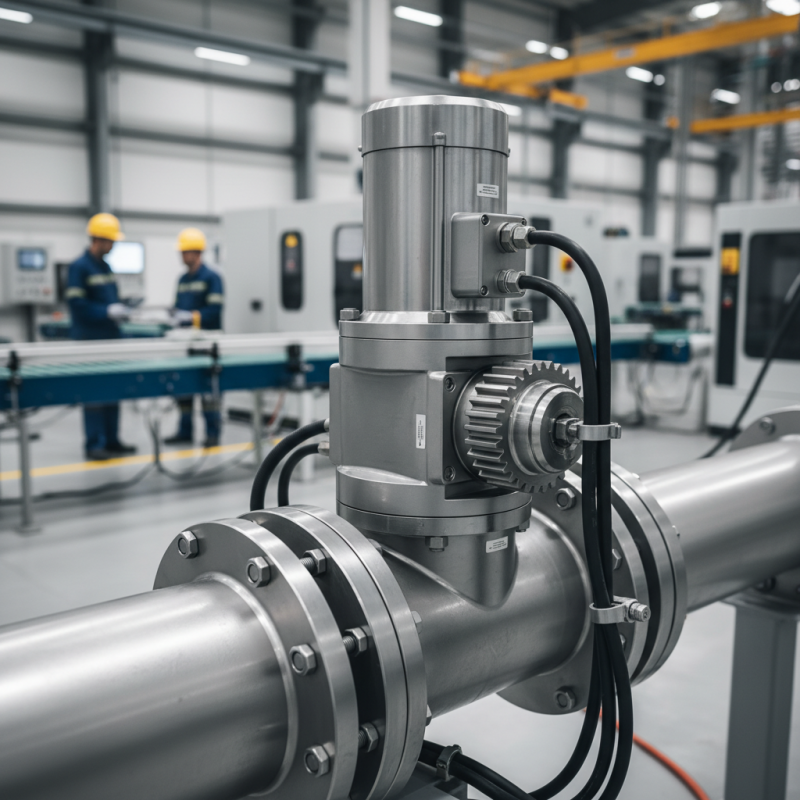
Understanding the Different Types of Industrial Valve Actuators Available
When choosing an industrial valve actuator, understanding the types available is crucial. There are three main categories: pneumatic, electric, and hydraulic actuators. Each has its unique benefits and drawbacks. Pneumatic actuators are known for their rapid action, making them ideal for processes requiring quick responses. However, they rely heavily on consistent compressed air supply. On the other hand, electric actuators offer precise control but may face challenges in extreme temperatures.
The hydraulic option provides high force and is robust for heavy-duty applications. Yet, they can be complex and require a more extensive maintenance regimen. Assessing your specific application needs is essential. Consider factors like environment, valve type, and desired response time when making a decision. Each actuator's functionality can influence overall system performance.
One common mistake is selecting an actuator solely based on cost. While budget is important, it should not overshadow the actuator's performance in your system. It's vital to evaluate the actuator's compatibility with existing components. Pay attention to installation requirements and space constraints. Reflect on your operation's long-term needs. Sometimes, a more expensive actuator could lead to cost savings over time through reduced maintenance. The right choice depends on thorough research and consideration of both current and future demands.
How to Choose the Right Industrial Valve Actuator Manufacturer?
| Actuator Type | Power Source | Common Applications | Advantages | Limitations |
| Pneumatic Actuator | Compressed Air | Water and Gas Valves | Fast Response, Simple Control | Requires Air Supply, Noise |
| Electric Actuator | Electricity | Chemical Processing | Precise Control, No Air Supply Needed | Slower Response Time, Higher Initial Cost |
| Hydraulic Actuator | Hydraulic Fluid | Heavy Machinery | High Torque, Compact Size | Potential for Leaks, Requires Maintenance |
| Solenoid Actuator | Electricity | Small Valves | Compact, Low-Cost | Limited Duty Cycle, Heat Generation |
Evaluating Manufacturer Experience and Industry Reputation in Actuator Production
When selecting an industrial valve actuator manufacturer, experience matters significantly. A manufacturer with years of operation typically shows they understand the complexities of actuator production. They have likely faced diverse challenges and developed solutions. This depth of knowledge enhances the reliability of their products. An experienced manufacturer typically invests in advanced technology, which further increases the quality of the actuators.
Industry reputation is equally crucial. Look for manufacturers recognized for their commitment to quality and customer service. Online reviews and testimonials can provide insight. However, not all reviews are genuine. Be cautious and seek diverse sources. Reputation can also reflect manufacturing practices and ethical standards. A reputable company often adheres to safety and environmental regulations, which is key in today's market.
Despite these considerations, choosing a manufacturer isn’t straightforward. Sometimes, a newer company might offer innovative solutions that experienced manufacturers lack. Balancing experience with innovation is essential. Don't shy away from asking potential manufacturers about their approaches. Transparency in production processes can reveal a lot about their reliability and expertise.
Assessing Technical Support and After-Sales Service from Manufacturers
When selecting an industrial valve actuator manufacturer, evaluating technical support and after-sales service is crucial. Manufacturers with a strong support system can significantly enhance your experience. Look for companies that offer comprehensive training sessions. This empowers your team to operate and troubleshoot actuators efficiently. A knowledgeable support team can address specific concerns, guiding you through challenges as they arise.
After-sales service is equally important. A responsive service team ensures timely repairs and maintenance. This reduces downtime, which can be costly in industrial settings. Assess their communication channels. Are they available via phone or email? Promptness in response can indicate their commitment to customer satisfaction. Regular follow-ups after a purchase can also reflect their dedication to support you long-term.
Consider feedback from existing customers. Reviews can reveal insights about the manufacturer’s reliability and responsiveness. It's wise to reflect on your own needs and demands. Do they align with the manufacturer's support structure? Analyzing both technical support and after-sales service can help make a more informed decision.
Analyzing Cost vs. Quality: Finding the Right Balance in Actuator Selection
When selecting industrial valve actuators, understanding the balance between cost and quality is crucial. Recent studies indicate that 70% of companies prioritize establishing a quality assurance process over merely cutting costs. High-quality actuators can reduce maintenance and downtime, ultimately saving money in the long run.
However, lower-cost options may seem appealing, especially for budget-constrained projects. A report from the Valve Manufacturers Association highlights that 40% of firms experienced failure with cheaper models within the first year. The initial savings can lead to higher costs due to replacements and repairs. Analyzing the total cost of ownership is essential.
Finding a reputable actuator manufacturer requires diligence. Companies should look for evidence of certifications and compliance with industry standards. Regular data-driven assessments can help ensure that the selected actuator meets both operational needs and budgetary constraints. Balancing cost and quality is often challenging, but informed choices lead to better outcomes.
Reviewing Compliance with Industry Standards and Certifications for Actuators
When selecting an industrial valve actuator manufacturer, compliance with industry standards is crucial. Any reputable manufacturer will meet specific regulations established by governing bodies. These certifications guarantee that the actuators perform reliably in various industrial applications. Look for manufacturers that prioritize safety and efficiency in their designs.
Manufacturers should have certifications like ISO 9001 or IECEx. These reflect commitment to quality management systems. Checking for such credentials can help ensure that the actuators meet international safety standards. Some manufacturers might have great products but lack necessary certifications. This can lead to potential risks in operation.
Additionally, reviewing third-party laboratory test results can provide insights into actuator performance. These testimonials often reveal efficiency, durability, and operational safety. Do not overlook feedback from industry users. Real-world experiences can uncover issues that certifications alone cannot reveal. Always seek transparency in the manufacturer's processes and product testing to make informed decisions.
Compliance with Industry Standards for Valve Actuators
 English
  Česká republika
 Deutsch
 Dutch
Dutch Polska

