How to Choose the Best Cylinder Ram for Your Needs?
Choosing the right Cylinder Ram is crucial for enhancing your efficiency in various applications. Whether you are lifting, pushing, or pulling, the cylinder ram plays a vital role. Its design and capacity directly affect performance. Therefore, understanding your specific needs is essential.
A cylinder ram comes in different sizes and configurations. The right choice depends on factors such as workload, operating pressure, and available space. Here, industry standards serve as guidelines, but your requirements can vary greatly. Take the time to evaluate your tasks.
Quality and reliability are key to making a successful choice. Look for established brands with a proven track record. Reviews and expert recommendations can provide insight. However, it’s important to assess whether these models truly meet your expectations. Analyze your projects closely and consider potential challenges when selecting your cylinder ram.
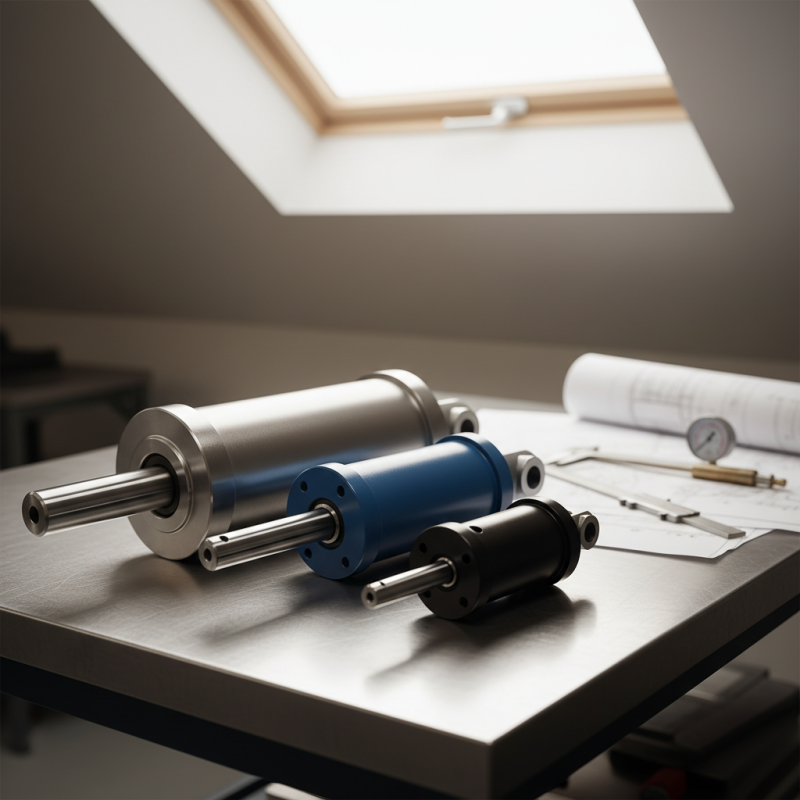
Understanding Cylinder Ram Specifications and Their Impact on Performance
Choosing the right cylinder ram hinges significantly on understanding its specifications. Various aspects define their performance, including stroke length, load capacity, and operating pressure. According to industry reports, a cylinder's maximum load capacity should ideally be 20%-30% higher than the expected working load. This provides a safety buffer, ensuring reliability under fluctuating conditions.
Stroke length plays a crucial role in application suitability. Shorter strokes are efficient for quick, repetitive tasks. Conversely, longer strokes allow for greater flexibility in adjustments and reach. Research indicates that choosing the appropriate stroke can improve efficiency by as much as 25% in certain instances. This factor can influence equipment design and operational costs.
Operating pressure is another vital consideration. A cylinder with higher pressure can offer better performance, but it also demands more robust materials and systems. Data suggests that cylinders operating at 3000 PSI perform significantly better in heavy-duty applications compared to those at 1500 PSI. However, these high-performance options can lead to increased wear if not paired with proper maintenance and usage practices. Users often overlook these aspects, leading to unexpected downtimes and costs.
How to Choose the Best Cylinder Ram for Your Needs? - Understanding Cylinder Ram Specifications and Their Impact on Performance
| Specification | Description | Impact on Performance |
| Ram Type | Single Acting vs Double Acting | Affects the lifting force and return mechanism. |
| Force Output | Measured in tons or kilonewtons | Determines the maximum load the ram can lift. |
| Stroke Length | Distance the ram can extend | Impacts the height of lift for the application. |
| Operating Pressure | Pressure range in PSI or Bar | Influences force output and efficiency. |
| Material | Steel, Aluminum, or Composite | Affects weight, durability, and resistance to corrosion. |
| Mounting Type | Base Mount, Front Mount, or Flange | Determines installation flexibility and job compatibility. |
| Cycle Time | Speed of extension and retraction | Higher speeds improve efficiency for production tasks. |
Identifying Your Application Requirements: Load Capacity and Stroke Length
When selecting a cylinder ram, understanding your application requirements is crucial. Load capacity and stroke length play vital roles in ensuring optimal functionality. According to the International Institute of Pneumatics, a typical industrial cylinder can lift between 100 to 20,000 pounds, depending on the design and use case.
Defining load capacity helps narrow down your options. For light-duty applications, consider rams with a capacity of 500-2,000 pounds. Heavier tasks, however, may require rams rated for 10,000 pounds or more. It’s essential to have a clear understanding of your operational needs. Overloading a ram can lead to mechanical failure and increased safety risks.
Stroke length also demands careful consideration. Most rams offer stroke lengths from 2 inches up to 48 inches. A cylinder ram's stroke length should match the specific distance you need to move your load. Choosing a ram with an incorrect stroke can lead to inefficient operation. You might find yourself frequently over-adjusting or even damaging the system in use. Hence, it's key to evaluate both metrics effectively to ensure the ram fits your specific operational context.
Comparing Hydraulic vs. Pneumatic Cylinder Rams: Pros and Cons
When choosing between hydraulic and pneumatic cylinder rams, it's crucial to weigh their pros and cons. Hydraulic systems use fluid to create power. They provide high force and are ideal for heavy-duty tasks. According to a recent industry report, hydraulic systems can deliver force levels of up to 10,000 psi. This makes them perfect for applications requiring significant lifting capability. However, they can be more complex to maintain. Leaks in hydraulic systems can lead to costly repairs.
On the other hand, pneumatic cylinder rams utilize compressed air. They offer quick operation and are often simpler to maintain. The typical operating pressure in pneumatic systems hovers around 80-120 psi, which is adequate for lighter applications. Noise levels can be an issue, though. While they are cleaner and safer in many environments, their force output is limited compared to hydraulics. Users might find they need multiple pneumatic cylinders for tasks that one hydraulic unit could handle.
Each system has distinct advantages. Hydraulic rams excel in power, while pneumatic rams shine in speed and ease of use. Efficiency in application is essential. Users might rethink their choices based on these factors. It’s a balance of needs against capabilities.
Evaluating Material and Design Factors for Durability and Efficiency
When selecting a cylinder ram, material and design are crucial elements. The durability of a ram directly impacts its efficiency and longevity. Common materials include steel, aluminum, and plastic. Steel offers strength and resilience, while aluminum is lightweight and corrosion-resistant. Each material has its pros and cons, making the choice dependent on your specific application.
Design factors also play a vital role. Look for rams with features that enhance performance. For example, a well-designed sealing system can prevent leaks and improve overall efficiency. The geometry of the ram can influence force distribution. A poorly designed ram may fail under heavy loads, leading to costly downtimes. Ensure your choice aligns with the intended use case.
Evaluating your needs is essential. Think about the environment where the ram will be used. High-temperature settings may require specialized materials. Consider how often the ram will be used. Frequent use may necessitate a sturdier design. Reflecting on these factors can lead to better decision-making and ultimately, a more reliable outcome.
Examining Industry Standards and Regulations for Safety Compliance
When selecting a cylinder ram, safety compliance is crucial. Industry standards often require rigorous testing and certification to ensure these tools perform effectively under pressure. Data indicates that nearly 25% of workplace injuries are linked to equipment failure. Adhering to safety regulations can significantly reduce these incidents.
It's important to look for rams that meet ANSI and ISO standards. These guidelines involve specifications for strength, material quality, and operational limits. Many companies overlook these essential certifications, potentially leading to catastrophic failures. Regular inspections and maintenance also play a vital role in ensuring long-term safety and reliability of these tools.
Tip: Always verify the compliance of your equipment with local regulations.
Another key factor is the working environment of the cylinder ram. Exposure to extreme temperatures or harsh chemicals can influence material integrity. Understanding these aspects can prevent accidents and ensure optimal performance.
Tip: Conduct a risk assessment before purchasing.
In conclusion, prioritizing safety standards and thorough inspections helps maintain operational efficiency. Engage with trusted resources for up-to-date compliance information. This approach fosters a safer workplace and enhances productivity.
Comparison of Different Cylinder Ram Types Based on Load Capacity
 English
  Česká republika
 Deutsch
 Dutch
Dutch Polska

