How to Choose the Best Selective Racking for Your Business?
When it comes to optimizing warehouse space, "Selective Racking" stands out as a popular choice. This system allows for easy access to individual pallets, enabling efficient inventory management. Businesses often face the challenge of selecting the best racking solution tailored to their specific needs.
Many factors influence the decision-making process. The size and weight of the products, aisle width, and overall warehouse layout must be considered carefully. Selecting the wrong racking system can lead to inefficiencies and frustration. Companies may experience difficulties in retrieving items or face safety hazards if the structure is not suited to their operations.
Reflecting on your unique requirements can bring clarity. It's important to assess both current needs and future growth. Investing in a suitable "Selective Racking" system can improve workflow significantly. Ultimately, the right choice balances practicality with storage capacity, setting your business up for success.
Understanding the Basics of Selective Racking Systems
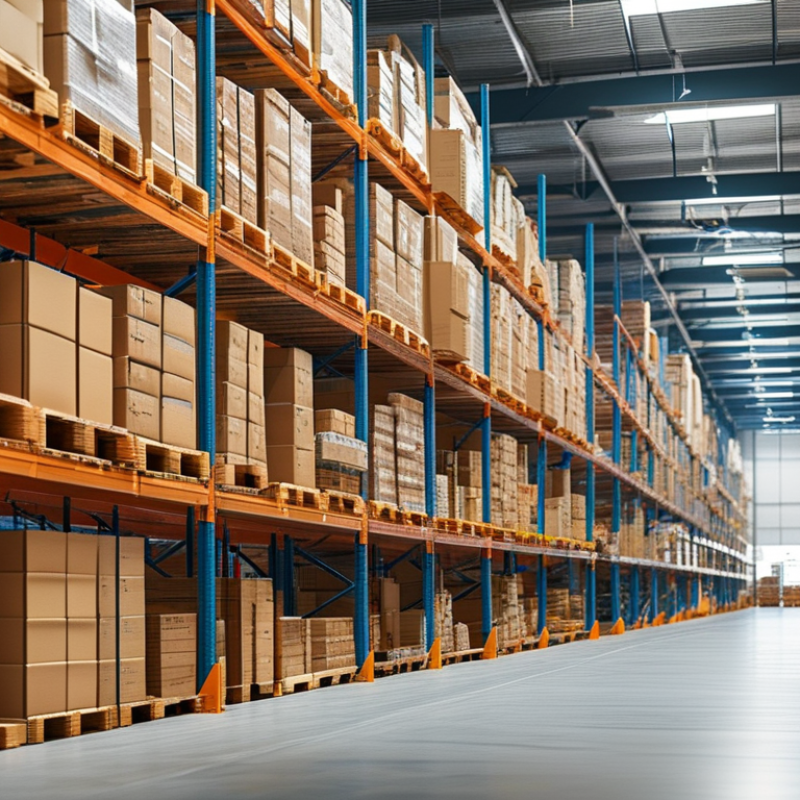
Selective racking systems are vital for optimizing storage space in warehouses. These systems allow businesses to store various items efficiently. They come in different styles, featuring adjustable shelves and various load capacities. Understanding these basics is crucial for making informed decisions.
When selecting a selective racking system, consider the types of products you store and their weights. Heavy items might require sturdier racks. If your inventory changes frequently, adjustable options are beneficial. Inspect the material and construction quality. Racks should be durable and stable under load.
Another aspect to reflect on is aisle width. Narrow aisles save space but limit access. Balance is key. A system that works today might not fit future needs. Always reassess your choices periodically. Engaging with experts can also provide insights tailored to your specific situation. This collaborative approach can lead to better decisions and improvements in your storage solutions.
Analysis of Selective Racking System Preferences
Evaluating Your Storage Needs and Space Constraints
When choosing selective racking for your business, evaluating your storage needs and space constraints is crucial. According to the Warehousing Education and Research Council, understanding the layout of your warehouse can boost storage efficiency by up to 30%. Assess your existing inventory levels and predict future demands to customize your racking solution effectively.
Consider your warehouse dimensions carefully. The layout influences the type and size of racking you can utilize. For instance, a narrow aisle setup may optimize floor space but requires specialized equipment. Data from Modern Materials Handling indicates that maximizing vertical space can increase overall storage capacity by as much as 50%.
However, a common oversight is underestimating aisle space. While maximizing storage height is essential, ensuring accessibility is equally important. Overcrowded aisles can create safety hazards and reduce operational efficiency. It's vital to strike a balance between storage density and safe operations when evaluating your racking options.
Analyzing Different Types of Selective Racking Designs
When choosing selective racking designs for your business, it’s essential to consider various types. Each design offers unique benefits depending on your storage needs. For example, regular selective racking is a standard option, allowing direct access to all pallets. It’s simple and cost-effective. However, it may not maximize space efficiently in larger warehouses.
Pallet flow racking is another design worth evaluating. This type allows pallets to flow from the back to the front, optimizing storage capacity. It’s great for high-turnover products. On the downside, an initial investment can be higher than traditional systems. It’s crucial to weigh these aspects against your inventory management strategies.
Drive-in and drive-through racking systems deserve attention too. They are designed for dense storage and can save space effectively. However, the need for specialized forklift training can be a significant barrier. In the end, selecting the right type of racking hinges on your specific operational needs and warehouse layout. Make sure to analyze how your goods move through the system, ensuring that efficiency remains a top priority.
Key Factors to Consider When Choosing Selective Racking
Choosing the right selective racking system is crucial for maximizing warehouse efficiency. Consider the weight capacity of the racking. According to the Material Handling Institute, a well-chosen racking system can optimize space by up to 40%. This allows businesses to store more products without expanding their physical footprint. Heavy-duty racks are essential for storing heavier items while lighter racks may suffice for smaller goods.
Another key factor is the layout of your warehouse. The configuration of aisles impacts accessibility. Aisle width should allow for smooth movement of forklifts. Research shows that narrower aisles can increase storage density. Yet, they may also complicate retrieval operations. Analyze your operation needs carefully before making a decision.
Safety cannot be overlooked. The implementation of safety features, such as row end protectors, is vital for accident prevention. A report by the Occupational Safety and Health Administration indicates that over 50,000 warehouse injuries occur annually, many due to insufficient racking safety measures. Regularly assess your racking system to ensure compliance with safety standards. Such evaluations can prevent costly mishaps.
How to Choose the Best Selective Racking for Your Business? - Key Factors to Consider When Choosing Selective Racking
| Key Factor | Description | Importance |
| Load Capacity | The maximum weight the racking can support safely. | High |
| Space Efficiency | How well the racking utilizes available space. | Medium |
| Accessibility | Ease of accessing stored items. | High |
| Flexibility | Ability to adjust system for different items. | Medium |
| Durability | Longevity under regular usage and wear. | High |
| Cost | Initial investment and long-term maintenance expenses. | High |
| Compliance | Meeting safety standards and regulations. | Very High |
Cost-Benefit Analysis of Selective Racking Options
When evaluating selective racking options for your business, a cost-benefit analysis is essential. Organizations can save up to 20% annually by selecting the right racking system. This is based on a recent report from a supply chain optimization study. A strategic approach to racking can enhance operational efficiency.
Consider the initial investment versus long-term value. Selective racking is often cheaper upfront. However, other systems might offer greater durability and capacity. An industry-specific report suggests that high-density racking can increase storage capacity by 50%. This can lead to significant savings in warehousing costs.
Choosing the right system also involves hidden costs. Maintenance and potential modifications should factor into your decisions. Studies show businesses often overlook these details, impacting their long-term profitability. Analyze your warehouse layout and inventory turnover rates carefully. Making the right choice brings productivity and savings.
 English
  Česká republika
 Deutsch
 Dutch
Dutch Polska

