Essential Tips for Choosing the Right CNC Router
Choosing the right CNC router can be overwhelming. There are many options available. To make the best decision, understanding your needs is crucial. John Smith, a renowned expert in the router CNC industry, emphasizes, "Selecting the right machine can define your workshop's success." This statement holds weight for both beginners and seasoned professionals.
When exploring CNC routers, consider the material you plan to work with. Different routers excel in cutting wood, metal, or plastic. Many users overlook this aspect, leading to unsatisfactory results. The size and power of the router CNC also matter. A powerful machine can handle more complex projects. However, an overly powerful router may not be necessary for simple tasks.
Investing in a CNC router is a significant commitment. You should reflect on your long-term goals. If you rush into a purchase, you might end up with a machine that doesn't fit your needs. Prioritize your requirements and do thorough research. Remember, the right CNC router can elevate your work, but choosing inaccurately can waste both time and resources.

Understanding the Basics of CNC Routers
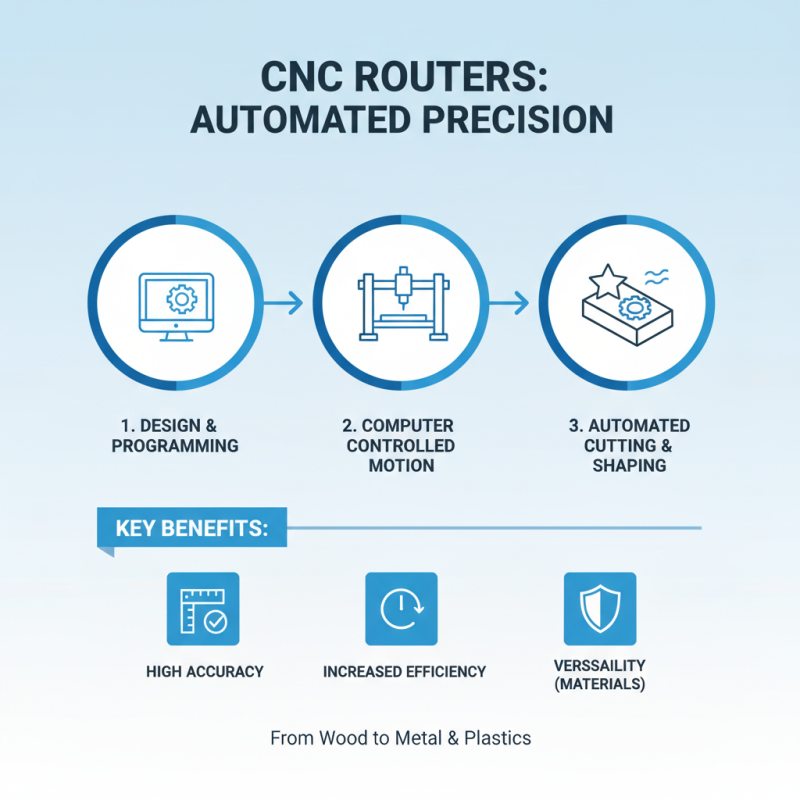
CNC routers are powerful tools that automate cutting, drilling, and shaping materials. Understanding their basics helps in making informed decisions. At their core, CNC routers operate using computer numerical control. They follow precise instructions to perform tasks, ensuring high accuracy.
When choosing a CNC router, consider the material you'll work with. Different routers are better suited for wood, plastic, or metal. For example, if you mainly deal with wood, a lighter router may suffice. But if you plan to cut metal, a more robust machine is essential. This consideration can greatly impact your productivity.
Another point to ponder is the size of the projects you plan to undertake. A smaller machine may limit your creativity. Conversely, a larger router takes up more space and may be more challenging to manage. Assess your workspace and future plans carefully. Don't overlook the importance of your budget. Sometimes, a cheaper option might not deliver the results you desire. Reflecting on your needs will guide you toward the right choice.
Key Features to Look for When Selecting a CNC Router
When selecting a CNC router, specific features can significantly influence your choice. Look for a router with a powerful spindle. According to industry reports, a 3-5 HP spindle is optimal for most materials. This ensures efficient cutting and smoother finishes. The motor's reliability is also crucial. A reliable motor reduces downtime and maintenance costs.
Next, consider the build quality. A sturdy frame minimizes vibrations, leading to more accurate cuts. Reports indicate that a rigid structure can improve precision by up to 25%. Furthermore, the material of the cutting bed matters. Aluminum or vacuum tables can provide better support, especially for larger pieces.
Also, software compatibility should not be overlooked. Some CNC routers come with proprietary software, which might limit your options. Look for those that support multiple design programs. User interface is another aspect to reflect on. A well-designed interface can ease the learning curve for new operators, enhancing productivity. Balancing these features with your budget is essential, but don't compromise on critical aspects.
Essential Tips for Choosing the Right CNC Router - Key Features to Look for When Selecting a CNC Router
| Feature |
Description |
Importance |
Recommendation |
| Spindle Power |
Determines the cutting efficiency and material capabilities. |
High |
Choose at least 3-5 HP for versatile applications. |
| Working Area |
The maximum size of material the router can accommodate. |
Medium |
Select based on your most common project sizes. |
| Precision |
Accuracy in machining, often measured in millimeters. |
High |
Look for models with accuracy of ±0.1mm or better. |
| Control System |
The interface used to operate the CNC router. |
High |
Consider user-friendly options with good software support. |
| Materials Compatibility |
Types of materials the router can work with, such as wood, plastic, metal. |
High |
Ensure it suits your specific material needs. |
| Software Compatibility |
Whether the router supports CAD/CAM software for design. |
Medium |
Look for routers that are compatible with popular software. |
| Cost |
Overall expense, including maintenance and operation costs. |
High |
Set a budget considering features vs. performance. |
Evaluating Your Project Needs and Material Compatibility
Choosing the right CNC router often depends on your project needs and the materials you'll work with. A report by the Machining Industry Association reveals that 75% of CNC users prioritize material compatibility when selecting machines. Understanding your materials is critical. For instance, wood is versatile but requires different settings than metals or plastics. Each material demands specific tooling and spindle speeds.
If your projects involve intricate designs, a router with higher precision is necessary. For softer materials like foam, you don’t need the highest horsepower. However, harder materials like aluminum necessitate more machine power and speed. It is crucial to align machine specs with your material needs.
Often, users neglect the importance of machine maintenance. This oversight can lead to unexpected costs. A study indicated that 30% of CNC users experience downtime due to improper maintenance. Prioritizing maintenance not only extends machine life but improves project quality too. Reflect on your material choices and maintenance routines to ensure success.
Size and Stability: Choosing the Right Dimensions for Your Router
When selecting a CNC router, size and stability are paramount. The dimensions of your machine can directly impact its performance. A larger router can handle bigger projects, but how much space do you have? Be honest about your workspace. A compact machine might suit smaller projects while saving you valuable floor space. Yet, does it provide the stability you need for precision?
Stability ties closely with size. A wider base often means better stability. If the feet of your CNC router aren't sturdy, even the best design may falter. Consider the materials you'll work with. Heavier, denser materials demand a robust machine. Have you thought about how your projects will evolve? An underpowered router may not keep pace with your creative ambitions.
Think carefully about the weight and frame of the router. Lighter machines may vibrate and lose accuracy. Stability is essential for intricate details. Sometimes, you might compromise on size for durability. That’s okay, but ensure your choice aligns with your future projects. Reflect on your needs. Take time to evaluate how much power you will really utilize. Balancing size and stability is an art, and every creator’s journey is different.
Budget Considerations: Finding the Best Value for Your CNC Router
When choosing a CNC router, budget becomes a primary concern. Prioritizing cost while ensuring quality is crucial. According to a recent industry report, the average price range for CNC routers varies significantly. Entry-level models cost around $2,000, while high-end options can exceed $20,000. It’s essential to pinpoint a budget that aligns with your operational needs.
Consider the overall value of your investment. A cheaper model may have fewer features and lower durability. Data shows that around 30% of users regret their initial choice due to insufficient capabilities. Look for routers with essential features without overspending. Pay attention to customer reviews, as they often highlight performance issues or hidden costs.
Moreover, factor in maintenance and operational costs. Operating a CNC router incurs expenses beyond the initial purchase. Budget estimates indicate that maintenance can add up to 10-15% of the router's price annually. Reflect on these aspects carefully. Sometimes, spending a little more upfront can save money in the long run by avoiding frequent repairs or replacements. Make informed decisions to ensure you get the best value for your investment.
 English
  Česká republika
 Deutsch
 Dutch
Dutch Polska