What is CNC Manufacturing and How Does it Work?
CNC manufacturing has revolutionized the way products are made. It involves the use of computer-controlled machines to create precise parts and components. According to expert Dr. Jane Thompson, “CNC manufacturing allows for unparalleled accuracy and efficiency.” This technology is essential in industries like aerospace and automotive.
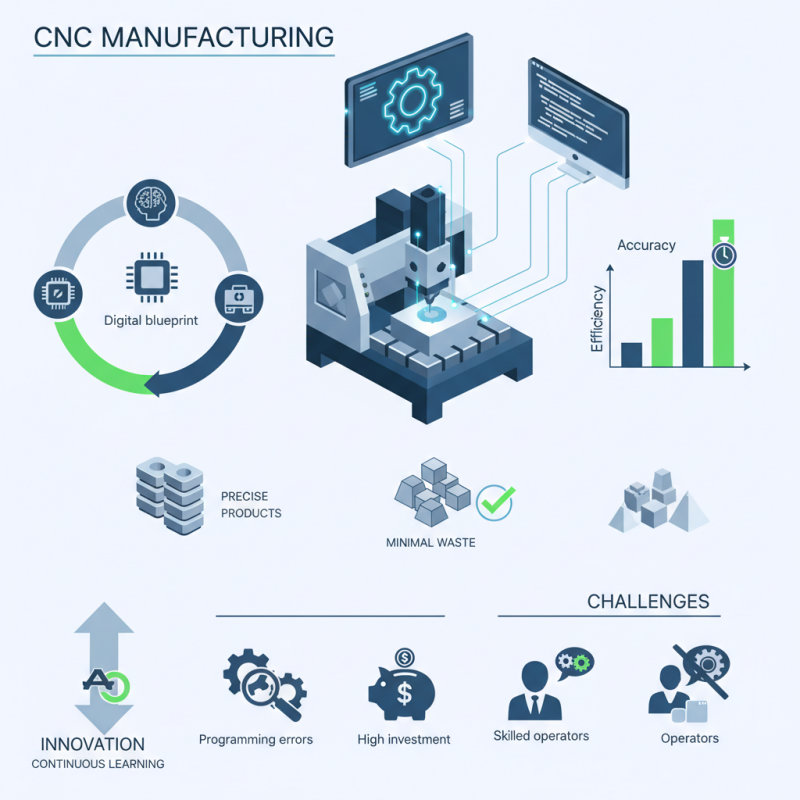
The process begins with a digital blueprint. A computer generates instructions for the CNC machine. These machines can cut, mill, and shape materials with high precision. The result is consistent quality with minimal waste.
However, CNC manufacturing isn't without challenges. Programming errors can occur, leading to costly mistakes. Additionally, the high initial investment for CNC equipment can be daunting for some businesses. There’s a constant need for skilled operators who understand both the technology and the materials. As the industry evolves, continuous learning is key to staying competitive.
What is CNC Manufacturing?
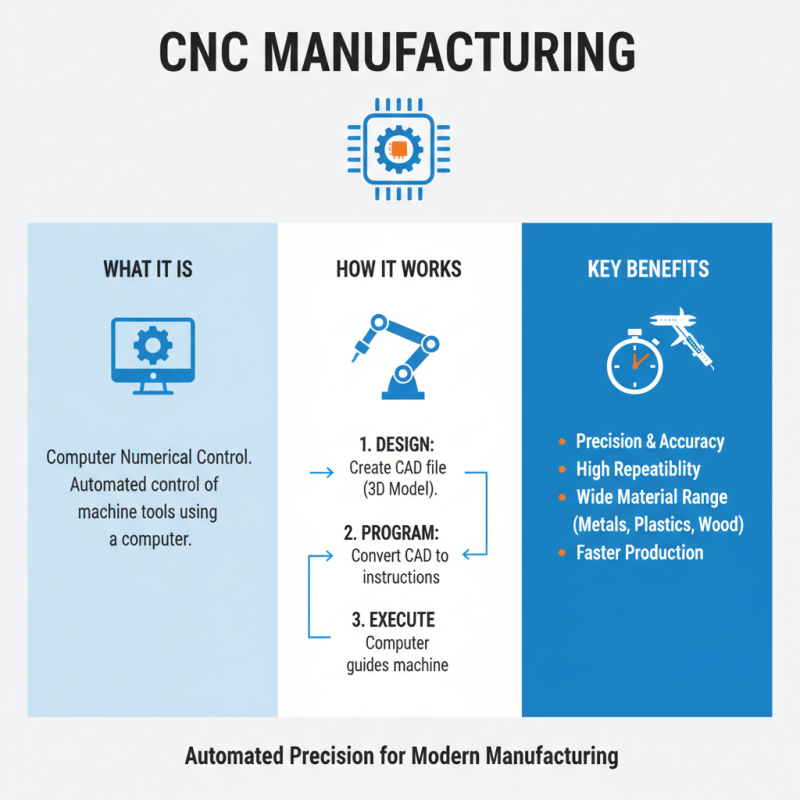
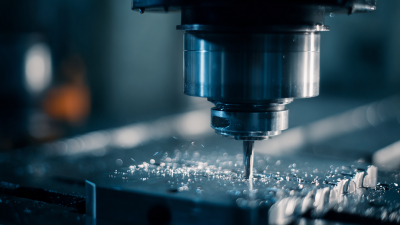
CNC manufacturing refers to computer numerical control technologies. This method automates the process of controlling machine tools. CNC machines use a computer to execute precise movements. Typically, they are programmed with CAD files to create parts from various materials.
CNC manufacturing allows for high precision and complex shapes. It is widely used in industries like automotive, aerospace, and furniture. However, not all designs translate well into CNC processes. Some intricate details might be lost due to tool limitations. Programmers need to consider these factors carefully.
While CNC technology enhances efficiency, it is not without its challenges. Maintenance of machines can be demanding. Unexpected errors can arise during production. Quality control remains essential to ensure that the final products meet specifications. Understanding the balance between tech capabilities and design limitations is crucial for success in CNC manufacturing.
The History and Evolution of CNC Technology
CNC technology has a fascinating history that dates back to the early 1950s.
The inception of computer numerical control evolved from earlier mechanical systems.
Initially, the process relied heavily on punched tape for programming.
Operators needed to understand intricate mechanical movements. This limited its accessibility and use. As a result, many industries were slow to adopt it.
With time, advancements in computers and electronics revolutionized CNC.
The introduction of microprocessors simplified programming.
This shift enabled more precise control and versatility. It expanded applications across various sectors like aerospace and automotive.
However, many manufacturers struggled to fully integrate these new systems. The transition was often met with resistance.
Today, CNC machines are foundational, yet some still ponder the challenges of adapting to ever-evolving technology.
Balancing innovation with skilled labor remains a concern.
Despite its advancements, the journey of CNC technology is a testament to both progress and the need for ongoing reflection.
Key Components of CNC Machines
CNC machines are pivotal in modern manufacturing. They operate with precision and speed. The key components drive their efficiency and effectiveness.
At the heart of CNC machines are the controllers. They interpret the G-code and direct the machine's movements. A 2022 report from the International Federation of Robotics stated that CNC sales increased by 9% globally. This reflects a growing reliance on automation. Control systems require accuracy. Any error can lead to significant flaws in the final product.
Additionally, the spindle is crucial. It holds and rotates the cutting tool. A faulty spindle can disrupt operations. A study by TechSci Research indicated that the global CNC machine market is expected to reach $117 billion by 2026. The demand for robust spindles is clear. Yet, many manufacturers overlook regular maintenance. This can lead to downtime and costly repairs.
On the other hand, linear guides and ball screws ensure smooth motion. They minimize friction and wear. Faulty components here may go unnoticed until performance drops. Manufacturers often risk ignoring small issues for speed. This approach can end up causing bigger problems later. Each part of a CNC machine plays a vital role. Understanding their importance is essential for optimal performance.
Key Components of CNC Machines
How CNC Manufacturing Works: The Process Explained
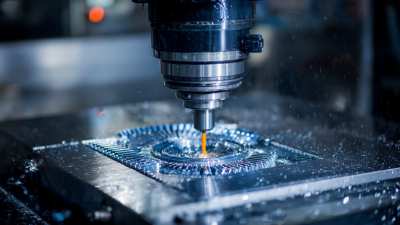
CNC manufacturing is a precise and efficient process. It uses computer-controlled machines to create parts. The process starts with a CAD model. This model translates into machine instructions. Operators upload these instructions into the CNC system. The machine then cuts, drills, or shapes materials. Common materials include metal, plastic, and wood.
Tips: Always check your CAD model for errors. Small mistakes can lead to large issues in production. Consider using simulation software. It can help visualize the final product. This reduces the likelihood of costly revisions.
Once the machine starts, watch how it works. If you're new to CNC, it can seem overwhelming. Understanding
feed rates is crucial. They dictate how fast the tool moves. Incorrect settings can impact quality. If the feed is too fast, you might break the tool or damage the workpiece. Troubleshooting is often part of the learning curve. Don’t hesitate to ask experienced peers for guidance.
Applications and Benefits of CNC Manufacturing
CNC manufacturing has transformed various industries with its precise and efficient capabilities. One major application is in the aerospace sector, where accuracy is crucial. Components like turbine blades are often produced using CNC machines. These machines create parts that meet strict specifications, ensuring safety and reliability.
Another significant application lies in custom prototyping. Many designers use CNC machining to create unique parts quickly. This allows rapid adjustments to designs based on testing and feedback. However, the reliance on CNC technology may lead to a disconnect from traditional craftsmanship, which some artisans criticize. They argue that this can diminish the artistry involved in manufacturing.
CNC manufacturing also offers benefits like reduced waste and higher productivity. It minimizes manual labor and speeds up production times. Yet, the initial investment can be high. Smaller businesses might struggle to afford the latest CNC equipment. This poses a serious barrier for those wanting to embrace this technology. Overall, while CNC manufacturing offers innovative solutions, it may not always be accessible.
 English
  Česká republika
 Deutsch
 Dutch
Dutch Polska