Essential Tips for Choosing the Right Back Check Valve?
Choosing the right Back Check Valve is crucial for optimal system performance. In the fluid control industry, Back Check Valves prevent backflow, protecting equipment and enhancing efficiency. According to a report by Research and Markets, the global valve market is expected to reach $100 billion by 2025. This underscores the significance of informed decisions in valve selection.
With the variety of options available, selecting the right valve can be challenging. Not all Back Check Valves are created equal. Each type has distinct features and applications. For example, springs, materials, and sizing directly impact their functionality. Engaging with experts in valve technologies can provide insights that are often overlooked.
Failing to choose the appropriate Back Check Valve can lead to costly system failures. It's important to evaluate parameters like pressure, temperature, and flow rates. Relying solely on specifications may not be sufficient. Each application has unique requirements that need careful consideration.
Understanding Back Check Valves and Their Functionality
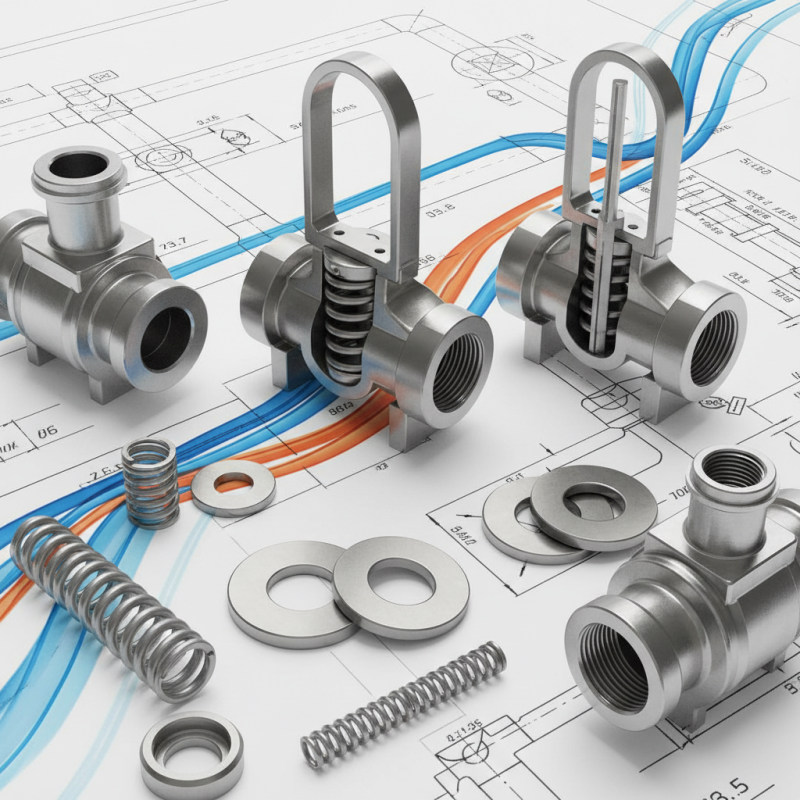
Back check valves are critical components in various fluid systems. They prevent backflow, ensuring that fluids only move in one direction. Understanding their functionality is essential for effective system design. According to a recent report from the Fluid Control Institute, back check valves can reduce system energy loss by up to 30%. This data emphasizes their importance in energy efficiency.
Different types of back check valves serve various applications. For instance, swing check valves are often favored for their simplicity and low pressure drop. In contrast, lift check valves offer excellent sealing capabilities in high-pressure conditions. The choice of valve can significantly impact system performance. Many professionals face challenges when selecting the appropriate type for their needs. Factors such as fluid characteristics, flow rates, and installation space must be considered carefully.
While manufacturers provide guidelines, the best choice often involves trial and error. Users must evaluate the operational conditions thoroughly. A misstep can lead to costly repairs or system downtime. This reality stresses the importance of expertise in making informed decisions regarding back check valves. Investing time in understanding these components pays off in reliable and efficient system operation.
Key Factors to Consider When Selecting a Back Check Valve
Choosing the right back check valve requires careful consideration of several key factors. First, the valve’s material is crucial. Common materials include brass, stainless steel, and PVC. Each one has its strengths. For example, brass offers durability. However, it can corrode over time. PVC is lightweight but may not withstand high pressures. Assessing the environment where the valve will be used is essential.
Another important factor is the valve’s size and flow rate. A valve that is too small can restrict flow, causing inefficiencies. Conversely, an oversized valve can lead to wasted energy and higher costs. It’s wise to consult flow rate charts and consider your system’s specific requirements. This can feel overwhelming but taking the time to analyze flow needs can yield significant benefits.
Installation and maintenance requirements also deserve attention. Some valves are easier to install than others. Think about the long-term maintenance required, as complex systems can increase downtime. Furthermore, seek advice from industry professionals to understand your options better. They may offer insights that lead to unexpected considerations. Choosing the right back check valve is not just about the valve itself. It’s about ensuring optimal performance for your system.
Material Choices for Back Check Valves: Pros and Cons
When selecting materials for back check valves, it's crucial to weigh the pros and cons. Metal options, such as stainless steel, are known for their durability. They often withstand high pressures and corrosion. However, they can be heavier and more expensive than alternatives. According to a recent industry report, steel valves can last up to 20 years with proper maintenance, making them a sound investment, despite initial costs.
In contrast, plastic valves offer a lightweight and cost-effective solution. They resist many chemicals and are ideal for less demanding applications. A study revealed that plastic options might reduce installation and handling costs by up to 30%. However, their lifespan often falls short of metal counterparts, raising concerns about long-term reliability. Users must consider the specific environment and pressures involved when choosing.
Elastomeric materials, such as rubber, also present unique advantages. They provide excellent sealing capabilities. Yet, their susceptibility to wear can lead to frequent replacements. This trade-off can impact overall system efficiency and maintenance schedules. Understanding these material properties is essential for making an informed choice about back check valves.
Essential Tips for Choosing the Right Back Check Valve - Material Choices for Back Check Valves: Pros and Cons
| Material Type | Pros | Cons | Best Use Case |
| Brass | Corrosion resistant, good thermal conductivity | Expensive, can be heavy | Water and gas applications |
| Stainless Steel | Highly durable, excellent corrosion resistance | Higher cost than other materials | Chemical processing, marine applications |
| Plastic | Lightweight, cost-effective | Not as durable, limited temperature range | Low-pressure water systems |
| Ductile Iron | High strength, good pressure handling | Heavy, prone to rust without coating | Industrial piping systems |
| Aluminum | Lightweight, good strength-to-weight ratio | Not suitable for high-temperature applications | Air and gas applications |
Sizing and Pressure Ratings for Back Check Valves
Choosing the right back check valve involves understanding sizing and pressure ratings. These factors are crucial for proper application. Sizing affects how well the valve performs in the system. An incorrectly sized valve can lead to inefficiencies and failures.
Pressure ratings are just as vital. Each valve has a maximum pressure it can handle. Exceeding this can cause leaks or even catastrophic failures. It's essential to review your system's pressure requirements carefully. Ensure that the valve you select can operate comfortably within those limits.
Tips: Always consider the fluid type and temperature. Different materials withstand different conditions. Don’t overlook the possibility of future system changes. What fits now may not be ideal later. Ensure flexibility in your choice to accommodate growth or changes in operation. Make informed decisions based on established criteria to enhance system reliability.
Installation Tips for Optimal Performance of Back Check Valves
Installing back check valves requires careful attention to both placement and fittings. Proper installation ensures efficient operation and longevity. According to industry data, a well-installed back check valve can reduce maintenance costs by up to 30%. This underscores the importance of precision during installation.
An essential factor to consider is the valve's orientation. Back check valves must be installed vertically, allowing gravity to aid in closing. When horizontal installation is unavoidable, ensure that the valve is compatible with such positioning. Sealing surfaces should also be inspected. A compromised seal can lead to leaks, impacting system performance.
Common installation mistakes include ignoring manufacturer guidelines and overlooking pressure ratings. Understanding the specific requirements of each back check valve is crucial. A 2022 survey indicated that 40% of valve failures stem from installation errors. Thus, consistent staff training is vital. It improves compliance and reduces errors, leading to optimal performance and reliability in fluid systems.
 English
  Česká republika
 Deutsch
 Dutch
Dutch Polska

