Why Choose PC200-7 or PC300-8 Excavators?

Choosing between a PC200-7 and a PC300-8 should begin with the work, not the badge.

Construction equipment consultant Mark Ellison says, “The right excavator is the one that matches production needs without wasting capacity.” This practical view matters when comparing the PC200-7/PC300-8 on real job sites. A PC200-7 can suit drainage, foundation, and general earthmoving projects. Its operating size often fits tighter working areas. The PC300-8 offers greater digging reach, stronger lifting capacity, and higher production potential. It becomes more valuable on deep excavations, quarry work, and large-scale road construction.

Look closely at the machine, not only its model number. Check hydraulic smoothness during a slow bucket curl. Listen for abnormal pump noise. Inspect the boom foot, swing bearing, track rollers, and cylinder seals. A clean service history may reveal more than a fresh coat of paint. Operator comfort also affects daily output. Clear controls and predictable response can reduce fatigue during long shifts.

Neither excavator is automatically the better choice. That depends on material density, truck distance, fuel cost, and available attachments. This point is easy to overlook. A larger excavator may produce more per hour, yet lose efficiency on a cramped site. The smaller model may consume less fuel, but struggle with oversized loads. My own assessment would remain cautious without inspecting hours, maintenance records, and hydraulic performance. Used equipment can hide expensive weaknesses. A careful trial is essential before purchase.
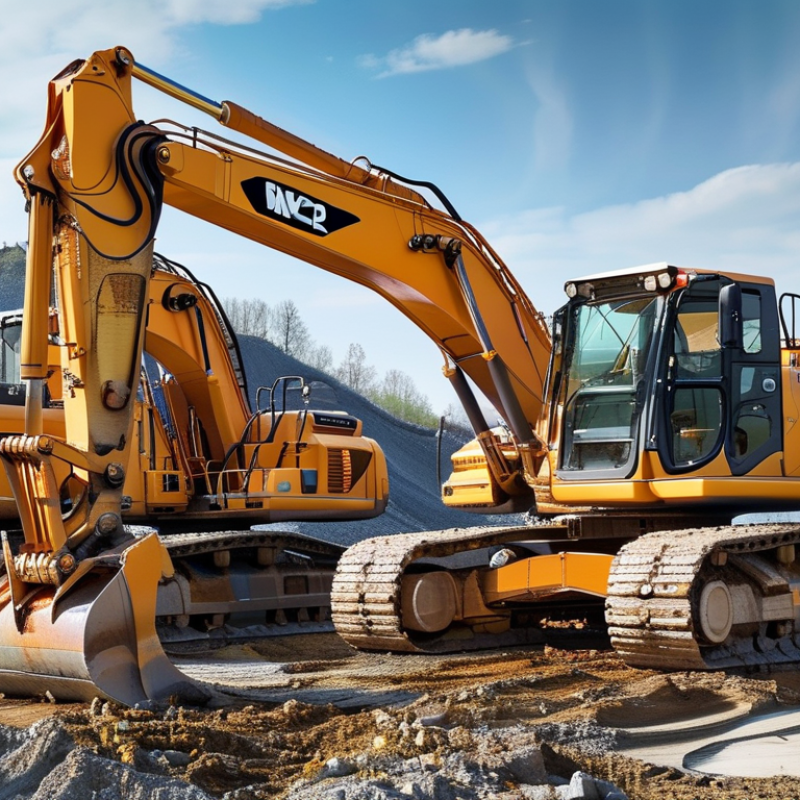
Why Choose PC200-7 or PC300-8 Excavators?

PC200-7 and PC300-8: Model Overview and Core Specifications

The PC200-7 and PC300-8 are crawler excavators designed for different work scales. The PC200-7 typically weighs about 19,000 to 21,000 kilograms. Its engine output is near 110 kW, with buckets commonly around 0.8 to 1.0 cubic meters. A maximum digging depth of roughly 6.5 meters suits foundations, drainage, and general earthmoving.

The PC300-8 is considerably larger. Its operating weight often reaches 30,000 kilograms, while engine power is close to 180 kW. Bucket capacity commonly ranges from 1.2 to 1.6 cubic meters. It can deliver greater breakout force and production on deep excavation or quarry projects. However, transport costs, ground pressure, and fuel use also increase. Specifications vary with boom length, counterweight, and regional configuration. Field checks matter. The first estimate is not always right.

Tips: Match the excavator to the soil, haul distance, and required digging depth. Measure access width before delivery. Check hydraulic response, undercarriage wear, and maintenance records during inspection. A smaller machine may work better on restricted sites. Bigger is not always better. Allow extra capacity for hard ground, but avoid paying for unused performance. Logging cycle times for one shift can reveal more than a brochure.

Why Choose PC200-7 or PC300-8 Excavators?

Model overview and core specifications

The chart compares four core specifications using a relative index, with the PC200-7 baseline set to 100. The underlying figures are approximately 19.5 tonnes operating weight, 110 kW engine power, 0.80 m³ bucket capacity, and 6.62 m maximum digging depth for the PC200-7, compared with approximately 30.6 tonnes, 180 kW, 1.40 m³, and 7.39 m respectively for the PC300-8. The PC200-7 emphasizes lower operating weight and easier transport, while the PC300-8 provides greater power, capacity, and digging performance for heavier workloads.

How Excavator Size Affects Digging Performance and Jobsite Efficiency

Why Choose PC200-7 or PC300-8 Excavators?

Excavator size directly affects digging performance, fuel use, and site movement. A 20-ton excavator usually suits trenches, drainage work, and medium foundations. A 30-ton machine provides greater breakout force and reach for deep cuts or hard clay. The U.S. EPA NONROAD database calculates off-road emissions using engine power, load factor, and operating hours. That matters because larger machines can consume more fuel during every idle minute.

Bigger is not always faster. On a congested site, a 30-ton excavator may need wider access, stronger ground, and more room to swing. The National Institute for Occupational Safety and Health notes that struck-by hazards remain a major construction concern, making visibility and controlled positioning essential. A smaller machine can often complete short trench sections with fewer relocations. Less waiting helps.

Cycle time tells the real story. If a 20-ton excavator loads a 10-cubic-meter truck in 18 cycles, bucket size and soil density become critical. A 30-ton unit may reduce cycles, but only when trucks, haul roads, and the attachment keep pace. Industry productivity studies from the Construction Industry Institute repeatedly link poor coordination with measurable time loss. I have seen this firsthand: more iron sometimes creates more waiting. Check actual bucket fill, swing radius, ground pressure, and hourly fuel records before choosing. Some assumptions look efficient on paper. They fail beside the trench.

Comparing Engine Power, Hydraulic Systems, and Operating Capacity

Why Choose 20-Ton or 30-Ton Excavators?

Choosing between a 20-ton and 30-ton excavator depends on real site demands. The 20-ton class usually offers lower fuel use and easier transport. Its engine power suits trenching, foundation work, and medium soil removal. The 30-ton class delivers stronger digging force for dense clay, rock, and deep excavation. More power helps, but it can increase fuel costs and ground pressure.

Hydraulic performance often decides productivity.

A well-matched hydraulic system gives smooth boom control and faster attachment response. Operators can load trucks accurately without harsh movements. On a 20-ton machine, balanced flow supports precise work in narrow spaces. A 30-ton machine can run larger buckets and breakers more effectively. Still, maximum hydraulic flow does not guarantee better results. Poor maintenance, worn hoses, or incorrect settings can waste that advantage.

Operating capacity includes lifting ability, stability, reach, and daily comfort.

The larger excavator can handle heavier pipes and fuller buckets, especially on firm ground. The smaller unit may work better beside buildings or on temporary access roads. I have seen operators choose larger machines for simple digging, then lose time during transport and repositioning. That choice deserves review. Check the material density, lift radius, attachment weight, and ground condition before selecting equipment. A machine that feels powerful may still be inefficient when the job requires frequent movement.

Choosing Between PC200-7 and PC300-8 for Different Applications

Why Choose PC200-7 or PC300-8 Excavators?

Choosing between the PC200-7 and PC300-8 depends on the worksite, material, and daily production target. The PC200-7 suits general excavation, trenching, drainage work, and urban construction. Its smaller footprint helps operators work beside roads, buildings, and underground services. Transport is usually simpler, especially when access roads are narrow. A 20-ton class machine can also reduce ground disturbance on finished surfaces.

The PC300-8 is better suited to heavy digging, quarry loading, bulk earthmoving, and large foundation projects. Its larger operating weight and stronger digging capacity can fill bigger trucks more efficiently. On a recent bulk excavation job, the larger machine handled dense clay with fewer bucket cycles. It needed more room, however. Soft ground also required steel plates and careful positioning. Bigger is not always better.

Operators should compare bucket size, hauling distance, soil conditions, and maintenance records before choosing. A contractor may prefer the PC200-7 for several small sites instead of moving one large excavator repeatedly. The PC300-8 may earn its higher operating cost when trucks are waiting nearby. These assumptions can fail when the ground changes unexpectedly. A hands-on inspection, hydraulic test, and service-history check remain essential. Hours alone do not reveal the machine’s real condition.

Maintenance Needs, Ownership Costs, and Long-Term Value Comparison

Why Choose PC200-7 or PC300-8 Excavators?

Maintenance needs often decide the better excavator before purchase price does. The PC200-7 is usually easier to service in confined yards and smaller workshops. Its lower operating weight can simplify transport and reduce hauling charges. Daily checks still matter: inspect hydraulic hoses, clean the radiator screen, and record oil levels. Small leaks become expensive when ignored.

The PC300-8 offers greater digging force and production capacity for deep excavation, quarry work, and heavy loading. However, larger components cost more to repair and replace. Undercarriage wear deserves close attention, especially on rocky ground. A worn track assembly can quickly damage the ownership budget. Fuel use may also rise when the machine works below its ideal load.

Think beyond the purchase invoice. Parts availability, technician skill, transport distance, and expected annual hours affect long-term value. A well-maintained PC200-7 may outperform a neglected larger machine on drainage or foundation projects. That said, choosing the smaller model for constant heavy production can create delays and operator fatigue. No spreadsheet captures every site condition. I would inspect service records, cold-start behavior, hydraulic response, and frame condition before deciding. Test it under load. A short inspection can reveal a costly future.