 English
  Česká republika
 Deutsch
 Dutch
Dutch Polska


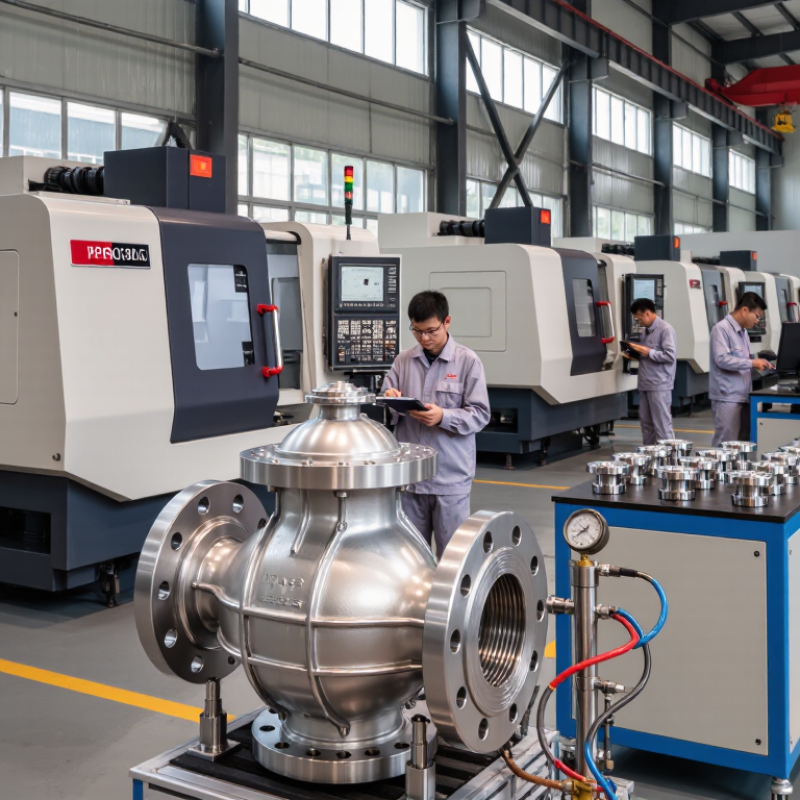
Selecting the right bellows sealed gate valve manufacturer starts with your process, not a catalog. Define pressure, temperature, media toxicity, cycling frequency, and required leakage class. A refinery steam line needs different metallurgy from an ultra-clean chemical service. Check bellows material, weld procedures, stem alignment, packing design, and pressure-test records.
ISO 15848-1 provides a recognized framework for fugitive-emission testing, while API 598 covers pressure testing practices.
Look for evidence, not polished claims. Request test certificates, material traceability, welding qualifications, cycle-test results, and inspection reports from independent laboratories.
The IEA’s Global Methane Tracker 2024 reports that about 75% of fossil-fuel methane emissions could be reduced with existing technologies. That figure makes low-emission valve selection more than a maintenance preference. It becomes an operating responsibility. Ask whether the manufacturer can document performance after repeated thermal cycles, not only after factory assembly.
Fit matters more than fame.
A reliable supplier should explain failure modes clearly. Ask how the bellows handles vibration, thermal expansion, and accidental overpressure. Compare lead time, spare-part availability, field service, and repair training.
Price alone can mislead; a cheaper valve may create costly shutdowns. I would not assume every “zero-leakage” statement has equal meaning. Require the exact test method, acceptance criteria, and service limits.
The 2023 World Bank Global Gas Flaring Tracker estimated global gas flaring at about 148 billion cubic metres, showing why process containment and maintenance discipline still matter.
Even strong documentation cannot replace correct installation and periodic inspection.