Top Industrial DO Sensors for 2026 What Buyers Need to Know
In the ever-evolving landscape of industrial applications, the Industrial DO Sensor plays a crucial role in monitoring dissolved oxygen levels. These sensors are vital in various sectors, including water treatment, aquaculture, and fermentation processes. As we approach 2026, understanding the top sensors available can greatly impact operational efficiency and product quality.
Buyers need to be aware of several factors when selecting an Industrial DO Sensor. Accuracy and reliability are paramount. Moreover, the integration capabilities with existing systems can be a game-changer for many industries. It is essential to choose sensors that provide real-time data and robust performance under varying conditions.
However, navigating the market can be challenging. With an array of options available, buyers may feel overwhelmed. Some sensors promise high performance but fall short in practical applications. Thus, careful evaluation based on specific needs and conditions is necessary. Focusing on industry reviews and case studies can help in making informed decisions.
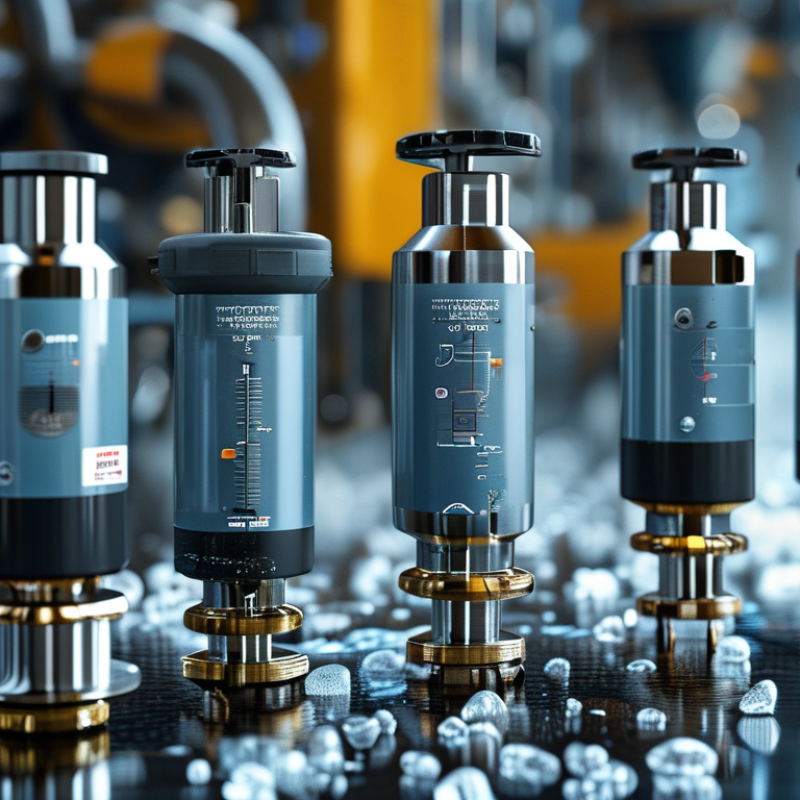
Understanding Dissolved Oxygen (DO) Sensors in Industrial Applications
Dissolved Oxygen (DO) sensors play a critical role in various industrial applications. These sensors measure the amount of oxygen dissolved in liquids. They are essential in processes like wastewater treatment. Maintaining optimal oxygen levels can significantly affect microbial activity. This balance influences treatment efficiency and environmental compliance.
Choosing the right DO sensor requires understanding its features. Different sensors can handle varying conditions, such as temperature and pressure. Some may offer faster response times, while others provide better accuracy. Buyers should evaluate these factors based on their specific needs. Incorrect choices can lead to poor performance, resulting in costly operational issues.
Industrial sectors often face challenges when implementing DO sensors. Calibration can be a complex task. Users need to regularly maintain these sensors for reliable readings. Neglecting maintenance can lead to inaccurate data. Sensors may drift over time, causing misinterpretation of oxygen levels. It's crucial to invest in training for staff who operate these devices. Awareness of potential pitfalls is vital for success.
Key Features to Look for in DO Sensors for Industrial Use
When selecting dissolved oxygen (DO) sensors for industrial applications, understanding key features is critical. These sensors measure oxygen concentration in liquids, a vital parameter in water treatment and biochemical processes. One essential feature is the sensor's response time. According to industry reports, a faster response time can improve process control. This is particularly important in dynamic environments where oxygen levels fluctuate.
Accuracy and reliability are also paramount. Studies show that sensors with a ±0.1 mg/L accuracy provide better compliance with regulatory standards. Users should consider sensors with self-calibration capabilities, as this reduces maintenance and operational downtime. The long-term stability of a sensor directly impacts cost-effectiveness. Reports indicate that devices with a lifespan of over five years tend to be more economical for businesses.
Additionally, the installation type is significant. Some applications benefit from submersible sensors, while others require portable units. The ease of installation can greatly affect operational efficiencies. Factors like power consumption should not be overlooked. Sensors that consume less energy reduce long-term operational costs. As industries strive for sustainability, energy-efficient options gain importance, reflecting a shift towards eco-friendliness.
Top Brands and Models of DO Sensors for 2026
As industries evolve, dissolved oxygen (DO) sensors remain crucial for maintaining water quality in various applications. In 2026, the demand for reliable DO sensors is expected to surge, driven by environmental regulations and sustainability initiatives. The market is projected to grow by 7% annually from 2024 to 2028, according to industry reports. This calls for a closer look at the top brands and models that will dominate the landscape.
Leading DO sensors will likely prioritize accuracy and ease of calibration. Many models utilize advanced membrane technology, ensuring a rapid response time and consistent readings in challenging conditions. Recent studies show that sensors with integrated data logging capabilities facilitate real-time monitoring. These advancements allow industries to better analyze trends and optimize operations. However, not all models will be equally effective. Some sensors may suffer from slower response times or drift in calibration, leading to unreliable data.
When selecting a DO sensor, buyers should consider factors like maintenance frequency and warranty terms. A significant portion of users cite difficulties with sensor drift over time and the need for frequent recalibration. This can lead to unexpected downtime and increased costs. It’s essential to explore models that offer robust support and long-lasting performance to avoid these pitfalls. Detailed reviews and industry comparisons can aid in making informed choices, ensuring that users invest in the right technology for their specific needs.
Pricing and Budget Considerations for Industrial DO Sensors
When considering the purchase of industrial dissolved oxygen (DO) sensors in 2026, pricing plays a crucial role. Market analysis from research firms indicates a price range between $200 and $2,000, depending on features. Various reports highlight that advanced sensors with higher accuracy often command a premium. Buyers must weigh the initial investment against long-term operational costs.
Maintenance is another aspect that affects a sensor's total cost. Regular calibration and potential repairs add to ongoing expenses. Some industry experts estimate that high-end sensors can reach upwards of $300 annually for upkeep. It’s essential to budget for these costs early in the decision-making process.
Tip: Always assess your operational environment. The right sensor for a freshwater application might differ from one suited for saltwater.
Keep an eye on emerging technologies that might influence prices. Some projections suggest that advancements could lower costs by 10% over the next few years. This could benefit buyers looking for more affordable options.
Tip: Engage with multiple suppliers and request detailed quotes. Comparing features against costs will help ensure the best financial decision.
Top Industrial DO Sensors for 2026
| Sensor Model | Measurement Range (mg/L) | Response Time (seconds) | Accuracy (%) | Price (USD) | Typical Applications |
| Model A | 0 - 20 | 15 | ±2% | 250 | Water Treatment |
| Model B | 0 - 50 | 20 | ±1% | 450 | Aquaculture |
| Model C | 0 - 10 | 10 | ±3% | 300 | Laboratory Testing |
| Model D | 0 - 40 | 18 | ±1.5% | 380 | Process Control |
| Model E | 0 - 60 | 25 | ±2.5% | 500 | Environmental Monitoring |
Future Trends and Innovations in Dissolved Oxygen Sensing Technology
Dissolved oxygen (DO) sensors are essential for various industries, including water treatment and aquaculture. As we look toward 2026, several trends are shaping the future of DO sensing technology. Enhanced accuracy and reliability are becoming crucial. Industries require precise measurements for effective monitoring. This shift is driven by environmental regulations and a focus on sustainability.
Recent innovations include the development of optical DO sensors. These devices use light rather than traditional electrochemical methods. They promise longer lifespan and reduced maintenance. However, challenges remain. Optical sensors can be sensitive to temperature fluctuations. This factor can affect their measurements. Users must understand these limitations.
Another area gaining attention is the integration of IoT technology in DO sensors. This advancement allows real-time data collection and monitoring. It offers operators the ability to respond quickly to changes in oxygen levels. However, the reliance on connectivity can pose issues during network failures. Buyers should weigh these factors carefully. The landscape is evolving rapidly, and buyers need to stay informed.
Top Industrial DO Sensors for 2026
This chart illustrates the projected market share of different types of dissolved oxygen (DO) sensors in 2026 based on the latest trends and innovations. The data represents the expected growth in popularity and application across various industries including water treatment, aquaculture, and pharmaceuticals.
 English
  Česká republika
 Deutsch
 Dutch
Dutch Polska

