Top 10 Benefits of Waterjet Cutting Machinery for Your Business
The demand for precision in manufacturing continues to grow. waterjet cutting machinery has become a crucial tool for many industries. This technology offers unique advantages that can significantly enhance production efficiency.
Businesses using waterjet cutting machinery enjoy incredible versatility. It can cut through various materials, from metals to glass. This ability allows companies to tackle diverse projects without needing multiple machines. Furthermore, the cutting process is cold, reducing thermal stress on materials and avoiding warping.
However, not all businesses fully understand its potential. Some may underestimate the operational costs or learning curve involved. Investing in waterjet technology can be daunting, but the long-term benefits often outweigh initial hesitations. With the right approach, companies can harness waterjet cutting machinery to innovate and thrive in a competitive landscape.
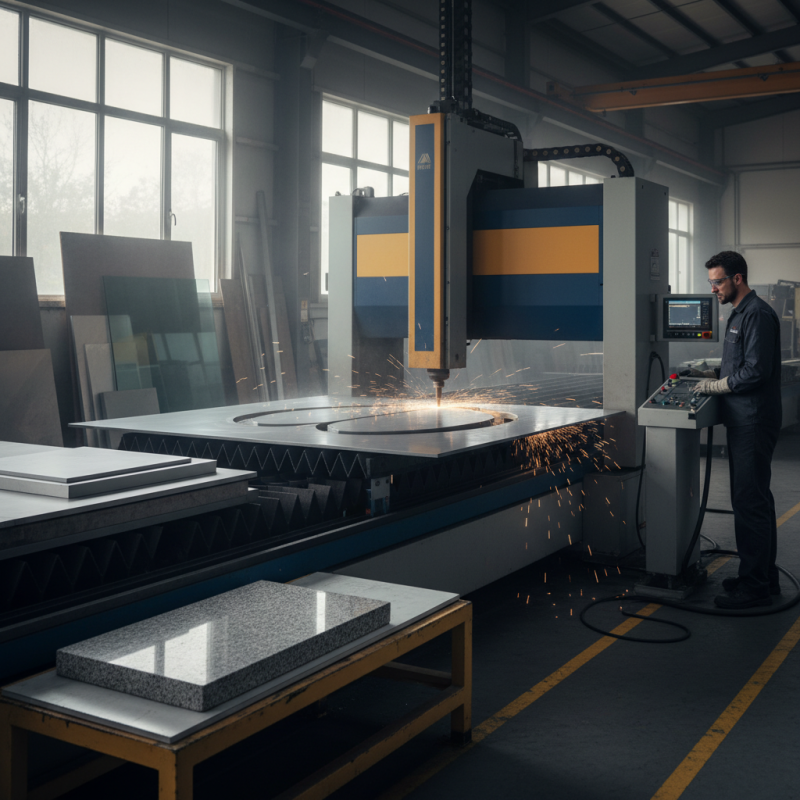
Advantages of Precision: The Accuracy of Waterjet Cutting Machinery
Waterjet cutting machinery is known for its precision. It uses high-pressure water jets to cut through various materials. This method reduces mechanical stress, which is crucial for delicate work. The accuracy it delivers is unmatched. Intricate designs can be produced with minimal waste. This leads to significant cost savings for businesses.
Tips: Always measure your materials carefully before cutting. A small error in measurements can lead to unwanted waste. Position the material correctly on the cutting bed. This might seem basic, but it can make or break your project.
Precision is not just about technology; it's also about how you handle it. Regular maintenance is key. This ensures that the machinery remains sharp and effective. Dust and debris can affect accuracy. A clean workspace can enhance your outcomes significantly.
Working with waterjet technology can be daunting at first. There might be a learning curve when adjusting settings. Mistakes will happen, but they are valuable learning experiences. Keep a record of what works and what doesn’t. This practice will refine your cutting techniques over time.
Cost-Efficiency: How Waterjet Cutting Reduces Material Waste and Expenses
Waterjet cutting technology has transformed the manufacturing landscape by offering remarkable cost-efficiency. This advanced technique minimizes material waste significantly, providing a more sustainable option for businesses. According to a report from the International Waterjet Machine Manufacturers Association, waterjet cutting can reduce material waste by up to 70% compared to traditional cutting methods.
One key factor is the precision that waterjet cutting provides. The cutting process ensures that parts are shaped with high accuracy, leaving little to no scrap behind. Businesses can save on raw materials and disposal costs, leading to substantial savings in production expenses. For example, a study indicated that manufacturers can save an average of $10,000 per project through reduced material waste.
Tips for maximizing these benefits include careful planning of cutting paths to optimize material usage. It's also wise to analyze parts for common features, as this can lead to further reductions in waste. However, it is essential to assess the initial investment in waterjet technology, as it may require a significant upfront commitment. Evaluating the long-term cost benefits versus initial expenses is crucial in deciding if this technology fits your operations.
Cost-Efficiency: How Waterjet Cutting Reduces Material Waste and Expenses
Versatility: Applications of Waterjet Cutting Across Various Industries
Waterjet cutting technology has transformed various industries with its unique applications. This process uses high-pressure water to cut through materials, leading to precise and intricate designs. According to a report from Grand View Research, the global waterjet cutting machine market is expected to reach over $600 million by 2025. This growth highlights its versatile use in sectors like aerospace, automotive, and manufacturing.
In the aerospace sector, waterjet cutting handles composite materials and metals without affecting their structural integrity. Companies utilize this method for parts that require precision, resulting in improved overall performance. The automotive industry benefits as well. With its ability to cut thick metals, waterjet technology helps streamline production processes. A study published by Technavio indicated a 4% annual growth in waterjet adoption in this sector from 2020 to 2024.
Despite the advances, challenges remain. The machinery requires routine maintenance and may not be optimal for every application. Operators need training to maximize efficiency. This awareness is crucial as industries adopt new technologies. Waterjet cutting may significantly enhance capabilities, but organizations must weigh its benefits and pitfalls carefully.
Environmental Impact: The Eco-Friendly Aspects of Waterjet Technology
Waterjet cutting technology is making waves in the manufacturing sector. It’s not just about efficiency; it’s about being environmentally conscious. This method uses high-pressure water mixed with abrasives to cut various materials. Unlike traditional methods, waterjet cutting produces minimal waste, making it an attractive option for eco-friendly businesses.
The eco-friendly aspects of waterjet technology are noteworthy. There are no harmful emissions released during the process. Waterjet cutting uses water rather than toxic chemicals. This not only reduces pollution but also ensures a safer workplace. Additionally, the process generates limited heat. This reduces the risk of thermal distortion in materials, preserving their integrity.
However, it’s essential to consider the water usage. While the system recycles water, some may question its long-term sustainability. Balancing the benefits with the consumption is worth reflecting on. The technology offers many advantages, but a mindful approach is crucial for lasting eco-friendliness.
Top 10 Benefits of Waterjet Cutting Machinery for Your Business - Environmental Impact: The Eco-Friendly Aspects of Waterjet Technology
| Benefit | Description | Environmental Impact |
|---|---|---|
| Minimal Waste | Waterjet cutting generates minimal waste compared to traditional cutting methods. | Promotes resource conservation. |
| No Toxic Emissions | Waterjet machines do not produce harmful gases or dust. | Improves air quality and workplace safety. |
| Energy Efficient | Waterjet cutting systems are known for their energy efficiency compared to other cutting methods. | Reduces overall energy consumption. |
| Recyclable Materials | The materials cut by waterjet can often be recycled, minimizing landfill contributions. | Supports recycling efforts and sustainability. |
| Reduced Heat Affected Zone | Waterjet cutting produces a very narrow heat affected zone. | Minimizes material degradation and extends the lifespan of materials. |
| No Need for Secondary Processing | Often eliminates the need for additional processes, which can produce more waste. | Less overall waste produced in the manufacturing process. |
| Lower Water Usage | Advanced water management systems reduce consumption significantly. | Less impact on water resources. |
| User-Friendly Operations | Simplified control and operation lead to fewer accidents and misuse. | Enhances safety and reduces workplace hazards. |
| Versatile Applications | Can cut a wide range of materials, optimizing the use of various resources. | Encourages diverse applications without additional resource use. |
| Reduces Carbon Footprint | Overall efficiency leads to a smaller carbon footprint for manufacturing processes. | Contributes to climate change mitigation efforts. |
Enhanced Productivity: The Speed and Efficiency of Waterjet Cutting Processes
Waterjet cutting technology offers remarkable speed and efficiency for various applications. This method utilizes high-pressure water jets to cut through materials with precision. The ability to work on a diverse range of surfaces, from metal to glass, makes it a versatile tool. Efficiency increases significantly when compared to traditional cutting methods. A waterjet can often complete tasks more quickly, reducing overall project timelines.
Enhanced productivity comes from several factors. The setup time for waterjet cutting is generally minimal. This means that businesses can move from one job to another without lengthy delays. The process also generates less waste since it uses a narrower cutting path. This efficiency leads to lower material costs and shorter lead times. However, some may find the initial investment daunting. It's essential to weigh the long-term benefits against upfront expenses.
Moreover, training staff on waterjet machines can take time. Operators need to understand the intricacies of the equipment. Misunderstandings can lead to mistakes, impacting productivity. Continuous training and refinement in techniques help address this challenge. The blend of speed and precision offered by waterjet cutting can lead to significant improvements, but only if companies invest the necessary time and resources.
English
Česká republika
Deutsch
Dutch
Polska