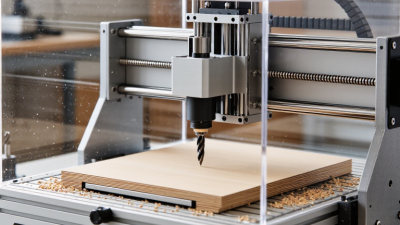
Why Choose a CNC Machine for Your Business?
Choosing the right cnc machine can reshape how a business designs, produces, and delivers parts. It can reduce repetitive manual work, improve dimensional consistency, and support faster production changes. A well-selected machine may handle aluminum brackets, wooden panels, or plastic prototypes with reliable repeatability. The value becomes visible on the shop floor, where fewer setup errors can protect both materials and delivery schedules.
However, purchasing a cnc machine is not a simple race toward automation. Businesses must examine spindle power, work envelope, software compatibility, tooling costs, maintenance access, and operator training. A small workshop may need flexible equipment rather than maximum cutting speed. A manufacturer producing hundreds of identical components may prioritize cycle time and automatic tool changing. These decisions require evidence from real production needs, not attractive specifications alone.
It is not magic. A machine can still produce poor results when the program, tooling, or material setup is wrong. Experienced operators understand this gap between machine potential and daily performance. They test sample parts, measure tolerances, review maintenance records, and calculate the complete cost of ownership. Even careful planning can miss something. That is worth admitting. With practical evaluation and dependable technical support, a cnc machine can become a stable production asset instead of an expensive distraction. This guide explores the key reasons businesses choose CNC technology and the questions leaders should ask before investing.
What a CNC Machine Is and How It Works
Why Choose a CNC Machine for Your Business?
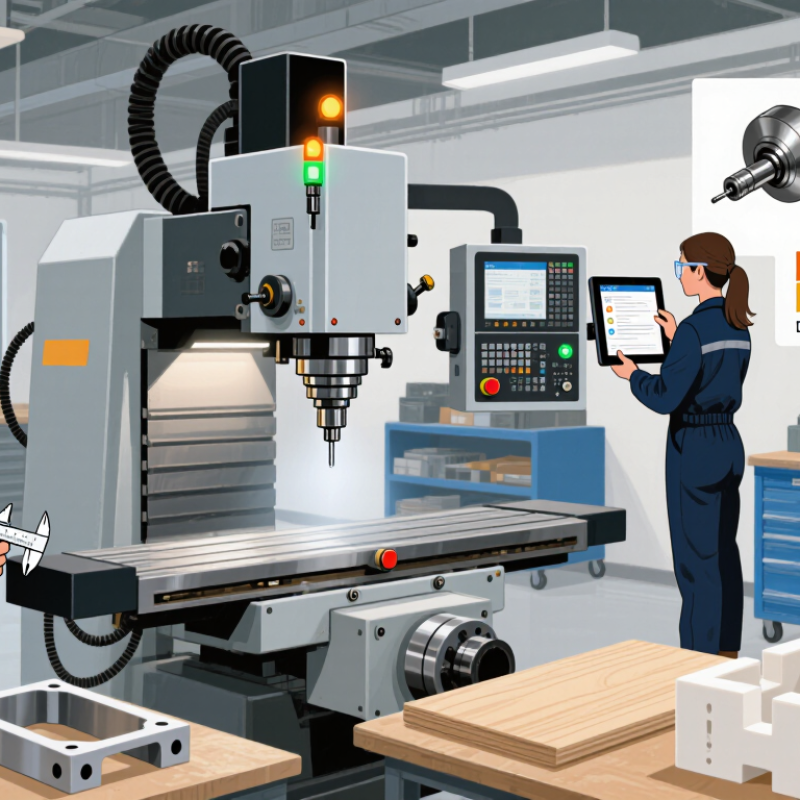
A CNC machine is a computer-controlled tool that cuts, drills, mills, or turns material. The process begins with a digital drawing, often created in CAD software. CAM software then converts that design into toolpaths and machine code. The controller reads these commands and moves the cutting tool along programmed axes. Metal chips fall into the tray. Coolant may keep the tool and workpiece stable.
Modern machines commonly use three to five axes. More axes can reduce repositioning and improve access to complex surfaces. However, extra capability also demands better programming and operator training. The machine does not “understand” design intent. A small coordinate error can produce an expensive part.
The World Robotics 2024 report recorded 541,302 industrial robots installed worldwide in 2023, showing broader factory investment in automation. CNC equipment supports this shift through repeatable motion and measurable settings. A 2024 industry market report also forecasts steady CNC market growth through the decade, driven by aerospace, medical, automotive, and general manufacturing demand. These figures indicate opportunity, not guaranteed profit. Actual results depend on material, cycle time, tooling, maintenance, and inspection. In daily production, the difference may be visible in a clean edge, consistent hole spacing, and fewer rejected parts.
Key CNC Machine Types for Different Business Applications
Choosing a CNC machine is less about buying the newest model. It is about matching machine geometry to daily work. A 3-axis machining center handles brackets, plates, and general metal parts efficiently. A 5-axis machine reaches complex surfaces with fewer setups. That can reduce alignment errors and labor time. Small shops often overbuy.
Turning centers suit shafts, bushings, and threaded components. Swiss-type machines support small, slender parts requiring tight repeatability. CNC routers work well with wood, plastics, composites, and large sheet materials. Electrical discharge machines handle hardened metals and intricate cavities that cutting tools may struggle to reach. Grand View Research projects the global CNC machine market to grow at approximately 6% annually through 2030, reflecting wider investment in flexible production.
Application fit matters. A business producing medical housings may prioritize surface finish, process records, and stable five-axis movement. An automotive supplier may value cycle time, pallet automation, and unattended production. Deloitte’s 2024 Smart Manufacturing and Operations Survey found that 86% of manufacturers expect smart manufacturing to become a major competitiveness driver within five years. Connectivity now matters almost as much as spindle power. Still, reports cannot replace a production trial. A machine that looks efficient on paper may disappoint with poor chip evacuation, difficult programming, or expensive tooling. Test the actual material, tolerance, and batch size before committing.
How CNC Technology Improves Production Speed and Precision
In a busy workshop, production speed often depends on repeatable movement, not frantic effort. A CNC machine follows programmed toolpaths with steady feed rates and controlled cutting depths. This consistency shortens setup time and reduces pauses between parts. Operators can load a verified program, secure the material, and begin cutting with measurable expectations. Shorter cycles matter when an order contains hundreds of identical components. Every saved second becomes visible across the full batch. It feels simple. It is not always simple.
Precision improves because digital instructions guide each movement. Sensors, calibrated axes, and suitable cutting tools help maintain tight dimensions during production. A machinist can inspect the first part, adjust offsets, and repeat the process with greater confidence. Measurement still matters. Heat, tool wear, vibration, and material variation can affect results. Ignoring these factors creates expensive errors, even with advanced equipment. In practical use, scheduled checks and clear records protect both accuracy and reliability. The machine helps; trained judgment completes the process.
CNC technology also supports faster changes between jobs. New dimensions can be tested in simulation before material reaches the spindle. This reduces waste and reveals collisions or inefficient paths early. However, speed should not become the only target. Aggressive settings may shorten tool life or damage a delicate surface. A balanced process combines optimized programming, stable fixturing, and realistic inspection intervals. Businesses should track cycle time, reject rates, and maintenance history. Those figures show whether the machine truly improves production. Some improvements may look smaller than expected. That is useful evidence, not failure.
Costs, Skills, and Facility Requirements to Evaluate
Why choose a CNC machine? The answer depends on more than cutting speed. Total cost includes the machine, tooling, software, inspection equipment, maintenance, training, and downtime. A cheaper unit may become expensive after repeated setup errors or spindle repairs. Shop-floor evaluations often reveal this gap.
Skills matter just as much. Operators need drawing interpretation, workholding knowledge, tool selection, offsets, and basic troubleshooting. Programming skills also reduce dependence on outside contractors. The Deloitte and Manufacturing Institute 2024 report projects 3.8 million new manufacturing jobs in the United States by 2033. It also warns that nearly 1.9 million roles could remain unfilled. That shortage makes internal training a serious investment, not an optional benefit. I would budget for learning time earlier. Many buyers underestimate it.
Facility requirements can quietly change the business case. Check floor loading, doorway clearance, electrical capacity, chip handling, coolant storage, ventilation, and temperature stability. Compressed-air demand deserves attention. U.S. Department of Energy guidance indicates that compressed air can consume 10–30% of a plant’s electricity. That figure varies, but leakage still deserves inspection. Leave space around the machine for maintenance access.
Tips: Request a total-cost worksheet covering three years. Measure available power before signing a purchase agreement. Train one operator and one backup. Track scrap, setup hours, energy use, and maintenance costs monthly. If the data disappoints you, adjust the plan instead of defending the original estimate.
These planning benchmarks compare typical CNC machine categories by estimated purchase cost, operator training time, and connected electrical load. Actual requirements vary by configuration, tooling, automation, material, and local installation standards. The cost figures are representative budget ranges rather than supplier quotations.
How to Choose and Implement the Right CNC Machine
Why Choose a CNC Machine for Your Business?
How to Choose and Implement the Right CNC Machine
Choosing a CNC machine should begin with production evidence, not an impressive specification sheet. Review part materials, dimensions, tolerances, annual volume, and expected growth. A compact three-axis model may suit simple aluminum parts. Complex components may require additional axes, stronger fixturing, or automated tool changes. Ask for test cuts using your actual material and drawings. Measure surface finish, cycle time, and repeatability. These results reveal more than sales claims.
Implementation needs equal care. Confirm floor strength, electrical capacity, ventilation, chip handling, and coolant management before delivery. Plan workholding, cutting tools, inspection equipment, and programming workflows together. Train operators on setup, offsets, maintenance, and emergency procedures. Keep a documented acceptance checklist. It should include dimensional results, alarms, software settings, and operator sign-off. A machine that sits unused is an expensive storage cabinet.
A realistic budget includes installation, tooling, training, maintenance, energy, and downtime. Speak with current users who make similar parts, and verify service response times in writing. I have seen teams choose excessive capacity and struggle with complicated setups. That decision looked safe, but it reduced productivity. Start with a representative pilot batch, record problems, and revise the process. No choice is perfect. Careful measurement makes weaknesses visible before they become routine costs.
Related Posts
-
How to Choose the Best Small CNC Machine?
-
The Future of Advanced CNC Machine Technologies in Global Manufacturing
-
China Top 10 CNC Milling Companies Which Should You Choose?
-
Unlocking Precision: The Key Advantages of CNC Milling Machines for Modern Manufacturing
-
20 Best Features of the Best CNC Wood Cutting Machine
-
Excellence in Manufacturing from China Bringing the Best Mini CNC Machines to the World
English
Česká republika
Deutsch
Dutch
Polska